
News
December 04, 2025
The suburbs ringfenced from development and why that’s about to change
Thousands of restrictive covenants that protect Melbourne neighbourhoods from greater density are set to be swept aside in the state government’s housing push.
**Melbourne Suburbs Face Density Boost as Restrictive Covenants Set to Be Overturned**
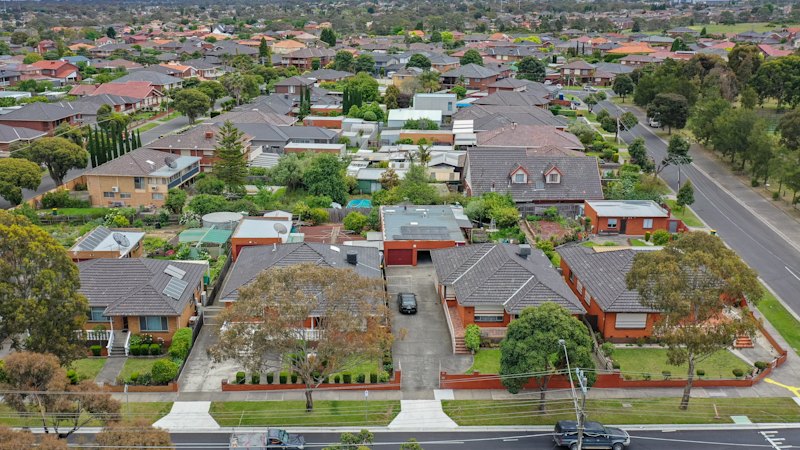
Melbourne’s iconic suburban landscape is on the cusp of significant change, as the state government prepares to dismantle thousands of restrictive covenants currently shielding neighborhoods from increased housing density. These covenants, long seen as tools to preserve the character of established areas, are now being targeted in a bid to address the growing housing crisis gripping the city.
Restrictive covenants are legal agreements attached to land titles, often dating back decades, which limit what can be built on a property. In many Melbourne suburbs, these covenants dictate minimum lot sizes, single-dwelling restrictions, and even specific architectural styles, effectively preventing the construction of apartments, townhouses, or even the subdivision of existing blocks. While proponents argue they protect neighborhood amenity and property values, critics contend they stifle housing supply and contribute to affordability issues.
The state government argues that these restrictions are a major impediment to creating more diverse and affordable housing options. With Melbourne's population continuing to surge and housing costs spiraling, officials are under increasing pressure to find innovative solutions to increase supply. Sweeping aside these covenants is seen as a crucial step in unlocking the potential for infill development – the process of building new homes in existing urban areas.
The move is expected to trigger mixed reactions across Melbourne. While some residents may welcome the prospect of increased housing diversity and potential property value gains, others are likely to voice concerns about potential impacts on neighborhood character, increased traffic congestion, and strain on existing infrastructure.
The government has acknowledged these concerns and has indicated plans to work closely with local councils and communities to manage the transition. The focus will be on ensuring that any new development is sympathetic to the existing environment and that necessary infrastructure upgrades are implemented to support increased density.
The exact mechanism for overturning the covenants is still being finalized, but it is expected to involve legislative changes that will empower the government to override these restrictions in certain designated areas. This bold initiative marks a significant shift in urban planning policy and could reshape the face of Melbourne's suburbs for generations to come, potentially paving the way for a more compact and affordable city. The debate surrounding the changes is sure to be lively, with residents, developers, and policymakers all vying to shape the future of Melbourne's housing landscape.
Melbourne’s iconic suburban landscape is on the cusp of significant change, as the state government prepares to dismantle thousands of restrictive covenants currently shielding neighborhoods from increased housing density. These covenants, long seen as tools to preserve the character of established areas, are now being targeted in a bid to address the growing housing crisis gripping the city.
Restrictive covenants are legal agreements attached to land titles, often dating back decades, which limit what can be built on a property. In many Melbourne suburbs, these covenants dictate minimum lot sizes, single-dwelling restrictions, and even specific architectural styles, effectively preventing the construction of apartments, townhouses, or even the subdivision of existing blocks. While proponents argue they protect neighborhood amenity and property values, critics contend they stifle housing supply and contribute to affordability issues.
The state government argues that these restrictions are a major impediment to creating more diverse and affordable housing options. With Melbourne's population continuing to surge and housing costs spiraling, officials are under increasing pressure to find innovative solutions to increase supply. Sweeping aside these covenants is seen as a crucial step in unlocking the potential for infill development – the process of building new homes in existing urban areas.
The move is expected to trigger mixed reactions across Melbourne. While some residents may welcome the prospect of increased housing diversity and potential property value gains, others are likely to voice concerns about potential impacts on neighborhood character, increased traffic congestion, and strain on existing infrastructure.
The government has acknowledged these concerns and has indicated plans to work closely with local councils and communities to manage the transition. The focus will be on ensuring that any new development is sympathetic to the existing environment and that necessary infrastructure upgrades are implemented to support increased density.
The exact mechanism for overturning the covenants is still being finalized, but it is expected to involve legislative changes that will empower the government to override these restrictions in certain designated areas. This bold initiative marks a significant shift in urban planning policy and could reshape the face of Melbourne's suburbs for generations to come, potentially paving the way for a more compact and affordable city. The debate surrounding the changes is sure to be lively, with residents, developers, and policymakers all vying to shape the future of Melbourne's housing landscape.
Category:
Politics