
News
November 28, 2025
South London NHS trust will save £700k moving blood cancer care - patients 'feel angry and unheard'
King's College Hospital NHS Foundation Trust wants to move inpatient haematology care from Princess Royal University Hospital in Orpington to King's College Hospital in Camberwell
**South London NHS trust will save £700k moving blood cancer care - patients 'feel angry and unheard'**
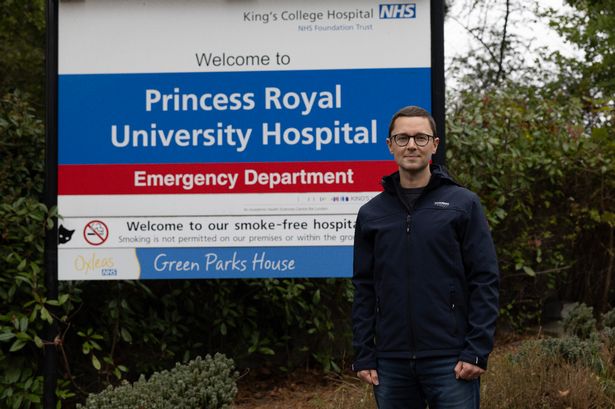
A controversial decision by King's College Hospital NHS Foundation Trust to consolidate inpatient haematology services, specifically blood cancer care, is sparking outrage among patients. The Trust plans to move these crucial services from the Princess Royal University Hospital (PRUH) in Orpington to the main King's College Hospital site in Camberwell, South London, a move projected to save the Trust £700,000 annually.
While the Trust maintains the consolidation will improve the quality and efficiency of care, patients who rely on the PRUH for treatment are expressing deep concerns and a feeling of being ignored. The proposed change will force many patients to travel significantly further for vital treatment, placing an added burden on them and their families during already challenging times.
The haematology department at the PRUH provides essential care for individuals battling various blood cancers, including leukemia and lymphoma. For patients undergoing intensive chemotherapy or requiring regular blood transfusions, the proximity of the hospital to their homes is a significant factor in their well-being and recovery. The increased travel time to Camberwell raises concerns about accessibility, particularly for elderly or vulnerable patients, as well as the financial strain associated with transportation costs.
One patient, speaking anonymously, described the move as "heartbreaking," stating that the PRUH staff had become like "family." They expressed worry about the potential loss of the personalized care they receive at the Orpington hospital, fearing they would become just another number in a larger, more impersonal setting.
The Trust argues that centralizing services at King's College Hospital will allow for a more specialized and comprehensive approach to blood cancer treatment. They claim the larger facility will provide access to a wider range of experts, advanced equipment, and clinical trials. However, this argument has done little to quell the anxieties of patients who value the convenience and familiarity of their local hospital.
The decision has triggered a wave of petitions and public meetings, with patients and their families demanding the Trust reconsider its plans. They feel their voices have not been adequately heard during the consultation process and are urging the Trust to prioritize patient well-being over financial savings. The future of blood cancer care in the region remains uncertain, as affected individuals continue to fight to retain access to vital services within their local community.
A controversial decision by King's College Hospital NHS Foundation Trust to consolidate inpatient haematology services, specifically blood cancer care, is sparking outrage among patients. The Trust plans to move these crucial services from the Princess Royal University Hospital (PRUH) in Orpington to the main King's College Hospital site in Camberwell, South London, a move projected to save the Trust £700,000 annually.
While the Trust maintains the consolidation will improve the quality and efficiency of care, patients who rely on the PRUH for treatment are expressing deep concerns and a feeling of being ignored. The proposed change will force many patients to travel significantly further for vital treatment, placing an added burden on them and their families during already challenging times.
The haematology department at the PRUH provides essential care for individuals battling various blood cancers, including leukemia and lymphoma. For patients undergoing intensive chemotherapy or requiring regular blood transfusions, the proximity of the hospital to their homes is a significant factor in their well-being and recovery. The increased travel time to Camberwell raises concerns about accessibility, particularly for elderly or vulnerable patients, as well as the financial strain associated with transportation costs.
One patient, speaking anonymously, described the move as "heartbreaking," stating that the PRUH staff had become like "family." They expressed worry about the potential loss of the personalized care they receive at the Orpington hospital, fearing they would become just another number in a larger, more impersonal setting.
The Trust argues that centralizing services at King's College Hospital will allow for a more specialized and comprehensive approach to blood cancer treatment. They claim the larger facility will provide access to a wider range of experts, advanced equipment, and clinical trials. However, this argument has done little to quell the anxieties of patients who value the convenience and familiarity of their local hospital.
The decision has triggered a wave of petitions and public meetings, with patients and their families demanding the Trust reconsider its plans. They feel their voices have not been adequately heard during the consultation process and are urging the Trust to prioritize patient well-being over financial savings. The future of blood cancer care in the region remains uncertain, as affected individuals continue to fight to retain access to vital services within their local community.
Category:
Politics