
News
November 15, 2025
Royally Ghosted: How the Palace Silences Its Own
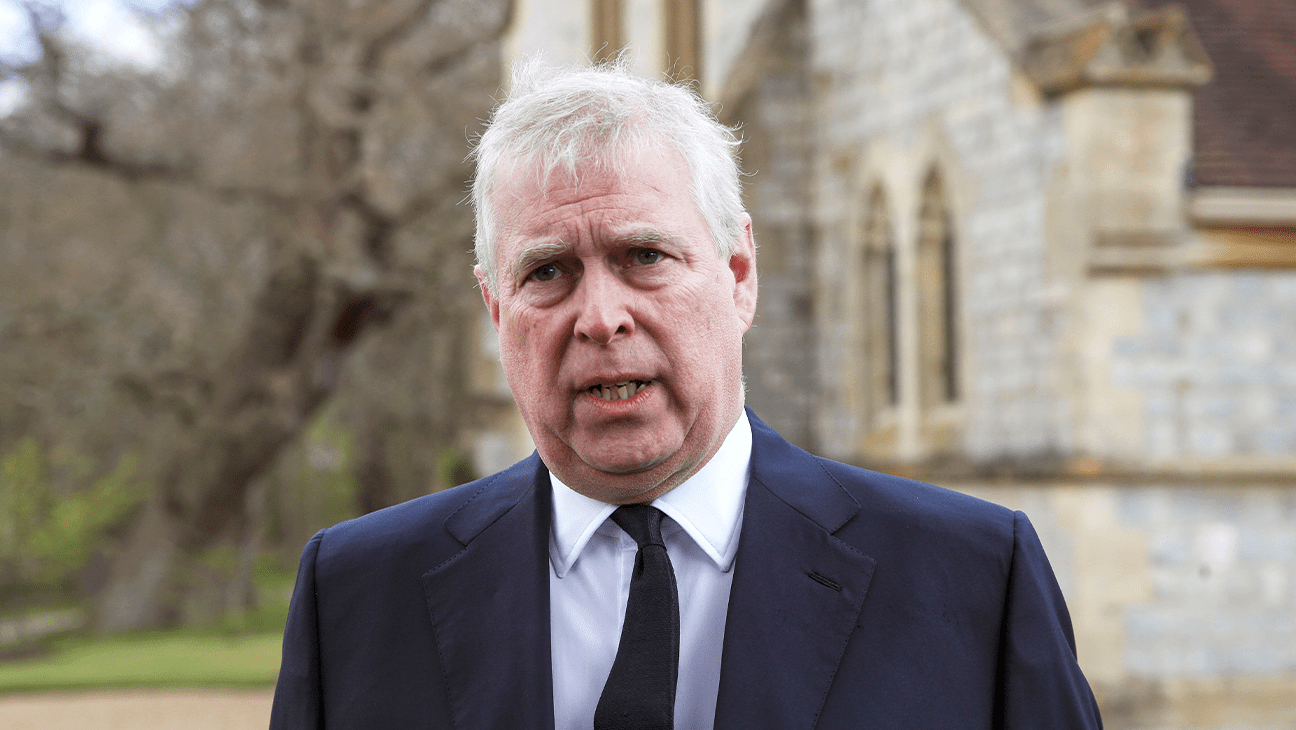
Andrew — the royal formerly known as Prince — is only the latest family member to be quietly erased by the Crown. Is Harry next?
**Royally Ghosted: How the Palace Silences Its Own**
The British Royal Family, an institution steeped in tradition and public image, has a long history of carefully managing its narrative. But a closer look reveals a recurring pattern: when a member’s actions threaten the monarchy’s reputation, they often face a form of quiet exile, a gradual fading from public view orchestrated by the Palace. Prince Andrew, once a prominent figure, is only the most recent example of this phenomenon.
Following the fallout from his association with convicted sex offender Jeffrey Epstein, Prince Andrew has been effectively sidelined. Stripped of his honorary military titles and royal patronages, he has largely disappeared from official events and public appearances. While he remains a member of the family, his role has been dramatically diminished, a clear signal that his presence is now considered detrimental to the Crown.
This process, often referred to as being "ghosted" by the Palace, isn't new. Royal history is filled with examples of individuals who, for various reasons, have found themselves on the periphery of the family. Whether due to scandal, controversial opinions, or simply not fitting the desired image, the consequences have often been the same: a slow but deliberate distancing from the center of royal life.
Now, questions are being raised about the future of Prince Harry, the Duke of Sussex. Since stepping down as a senior royal alongside his wife, Meghan Markle, and relocating to the United States, Harry's relationship with the Royal Family has been widely scrutinized. His tell-all memoir, "Spare," and numerous interviews have painted a critical picture of life within the institution, further straining those ties.
While Harry remains a member of the family, his active role has been significantly curtailed. He and Meghan are no longer working royals, and their appearances at official events are infrequent. This has led many to speculate whether Harry is on a similar trajectory to Prince Andrew, facing a gradual erasure from the inner circle.
The Palace's strategy of silencing or marginalizing problematic figures raises complex questions about the balance between maintaining public image and upholding family ties. While protecting the monarchy's reputation is undoubtedly a priority, the human cost of these decisions is often overlooked. As the Royal Family navigates the challenges of the 21st century, the world watches to see how it will reconcile its traditional practices with the demands of a more transparent and accountable era. The future of Harry, and others who might fall out of favor
The British Royal Family, an institution steeped in tradition and public image, has a long history of carefully managing its narrative. But a closer look reveals a recurring pattern: when a member’s actions threaten the monarchy’s reputation, they often face a form of quiet exile, a gradual fading from public view orchestrated by the Palace. Prince Andrew, once a prominent figure, is only the most recent example of this phenomenon.
Following the fallout from his association with convicted sex offender Jeffrey Epstein, Prince Andrew has been effectively sidelined. Stripped of his honorary military titles and royal patronages, he has largely disappeared from official events and public appearances. While he remains a member of the family, his role has been dramatically diminished, a clear signal that his presence is now considered detrimental to the Crown.
This process, often referred to as being "ghosted" by the Palace, isn't new. Royal history is filled with examples of individuals who, for various reasons, have found themselves on the periphery of the family. Whether due to scandal, controversial opinions, or simply not fitting the desired image, the consequences have often been the same: a slow but deliberate distancing from the center of royal life.
Now, questions are being raised about the future of Prince Harry, the Duke of Sussex. Since stepping down as a senior royal alongside his wife, Meghan Markle, and relocating to the United States, Harry's relationship with the Royal Family has been widely scrutinized. His tell-all memoir, "Spare," and numerous interviews have painted a critical picture of life within the institution, further straining those ties.
While Harry remains a member of the family, his active role has been significantly curtailed. He and Meghan are no longer working royals, and their appearances at official events are infrequent. This has led many to speculate whether Harry is on a similar trajectory to Prince Andrew, facing a gradual erasure from the inner circle.
The Palace's strategy of silencing or marginalizing problematic figures raises complex questions about the balance between maintaining public image and upholding family ties. While protecting the monarchy's reputation is undoubtedly a priority, the human cost of these decisions is often overlooked. As the Royal Family navigates the challenges of the 21st century, the world watches to see how it will reconcile its traditional practices with the demands of a more transparent and accountable era. The future of Harry, and others who might fall out of favor
Category:
World