
News
November 26, 2025
Reynolds: Iowa is in a 'good place' to receive federal education funding as block grants
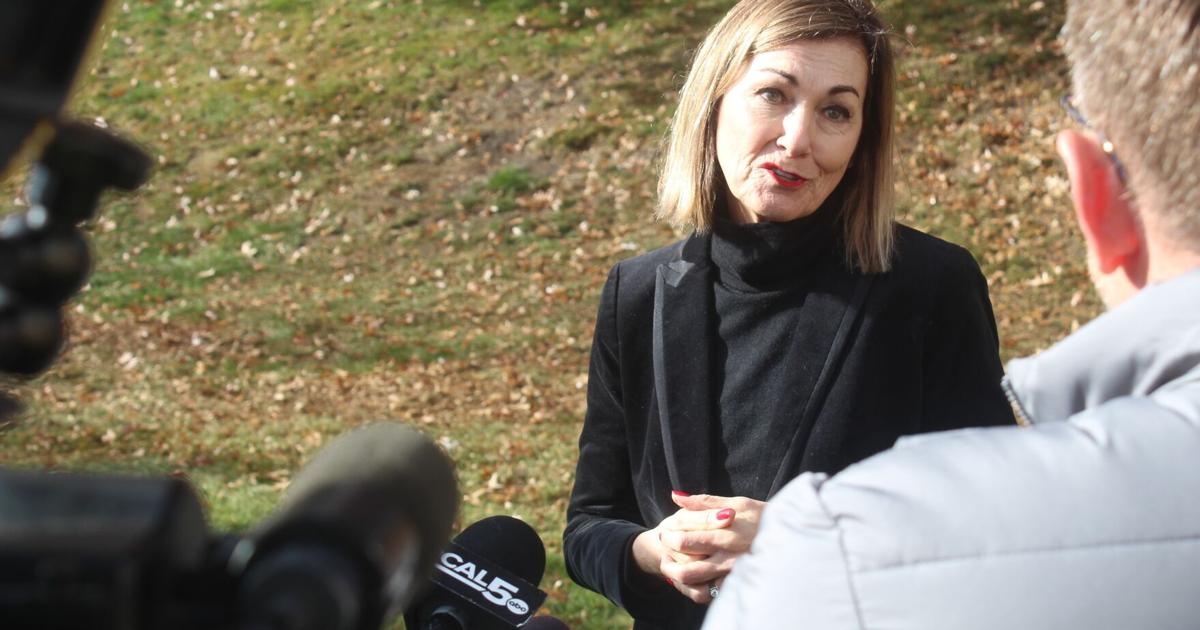
Iowa Gov. Kim Reynolds has been supportive of President Donald Trump and Education Secretary Linda McMahon’s efforts to dismantle the Department of Education and transfer its responsibilities to other departments.
Iowa is currently well-positioned to receive federal education funding through block grants, according to Governor Kim Reynolds. This comes as the Trump administration, spearheaded by Education Secretary Linda McMahon, pushes for a significant shift in the federal education landscape. The proposed changes involve dismantling parts of the Department of Education and transferring many of its responsibilities to other federal departments, with a greater emphasis on state control through block grant programs.
Block grants are essentially lump sums of federal money given to states to use for specific purposes, in this case, education. Unlike categorical grants, which come with strict federal guidelines and requirements, block grants offer states more flexibility in how they allocate and spend the funds. Governor Reynolds has voiced her support for this approach, believing it will allow Iowa to tailor educational programs and initiatives to meet the specific needs of its students and communities.
The move towards block grants reflects a broader philosophy of reducing federal oversight and empowering states to make their own decisions regarding education. Proponents argue that this will lead to more innovative and effective programs, as states are better equipped to understand and address the unique challenges they face. They also suggest it could streamline the educational bureaucracy, cutting down on administrative costs and freeing up resources for direct student support.
However, the potential shift has also raised concerns among some education advocates and policymakers. Critics worry that less federal oversight could lead to inequities in funding distribution across the state, potentially disadvantaging poorer school districts. They also fear that without federal mandates, certain student populations, such as students with disabilities or those from disadvantaged backgrounds, might not receive the necessary resources and support.
The debate over block grants highlights the fundamental tension between federal and state control in education. While Governor Reynolds believes Iowa is ready to thrive under this new system, the long-term impact on Iowa's schools and students remains to be seen. As the Trump administration continues to pursue these changes, careful monitoring and evaluation will be crucial to ensure that all Iowa students have access to a quality education. The state legislature will likely play a key role in determining how these block grant funds are allocated and utilized, making it a topic of ongoing discussion and debate in the coming months.
Block grants are essentially lump sums of federal money given to states to use for specific purposes, in this case, education. Unlike categorical grants, which come with strict federal guidelines and requirements, block grants offer states more flexibility in how they allocate and spend the funds. Governor Reynolds has voiced her support for this approach, believing it will allow Iowa to tailor educational programs and initiatives to meet the specific needs of its students and communities.
The move towards block grants reflects a broader philosophy of reducing federal oversight and empowering states to make their own decisions regarding education. Proponents argue that this will lead to more innovative and effective programs, as states are better equipped to understand and address the unique challenges they face. They also suggest it could streamline the educational bureaucracy, cutting down on administrative costs and freeing up resources for direct student support.
However, the potential shift has also raised concerns among some education advocates and policymakers. Critics worry that less federal oversight could lead to inequities in funding distribution across the state, potentially disadvantaging poorer school districts. They also fear that without federal mandates, certain student populations, such as students with disabilities or those from disadvantaged backgrounds, might not receive the necessary resources and support.
The debate over block grants highlights the fundamental tension between federal and state control in education. While Governor Reynolds believes Iowa is ready to thrive under this new system, the long-term impact on Iowa's schools and students remains to be seen. As the Trump administration continues to pursue these changes, careful monitoring and evaluation will be crucial to ensure that all Iowa students have access to a quality education. The state legislature will likely play a key role in determining how these block grant funds are allocated and utilized, making it a topic of ongoing discussion and debate in the coming months.
Category:
Politics