News
December 05, 2025
Is Medical Terminology Software Becoming the Backbone of Modern Healthcare Systems?
Medical terminology refers to the words and languages used to denote medical and healthcare procedures, conditions, processes, and treatments.
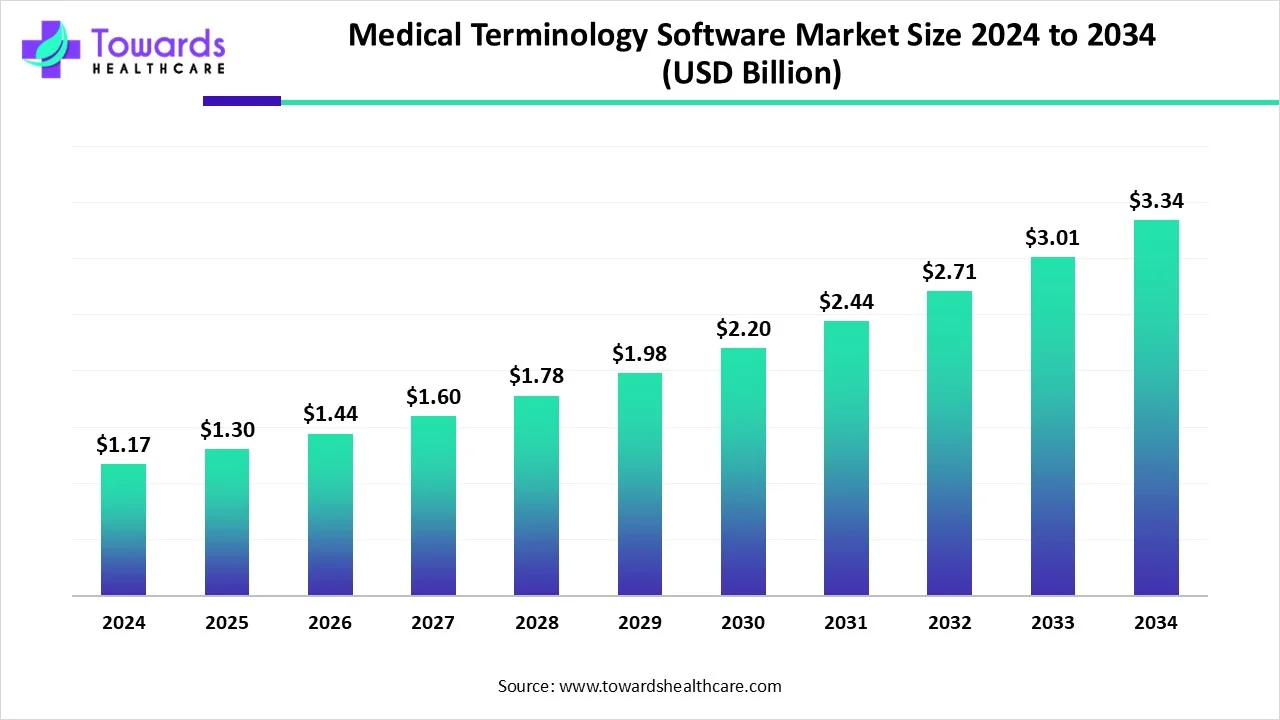
Medical terminology is the specialized vocabulary healthcare professionals use to communicate accurately and efficiently. Now, sophisticated software leveraging this terminology is rapidly transforming the healthcare landscape, raising the question: Is it becoming the backbone of modern healthcare systems?
The sheer volume of information in the medical field is staggering. From diagnoses and treatments to medications and research findings, keeping track of everything is a monumental task. Medical terminology software steps in to streamline this process, offering a range of benefits that are proving invaluable to healthcare providers.
One of the most significant advantages is improved accuracy. Medical terms are precise, leaving little room for ambiguity. Software that incorporates these terms helps reduce the risk of misunderstandings and errors in patient care. This is particularly crucial when dealing with complex medical histories or coordinating care between multiple specialists.
Furthermore, these software solutions enhance efficiency. Instead of manually searching through paper records or outdated databases, healthcare professionals can quickly access relevant information using standardized medical terminology. This saves valuable time, allowing them to focus more on direct patient care. The software can be used to generate reports, track patient progress, and even automate certain administrative tasks.
The impact extends beyond individual patient care. Medical terminology software plays a crucial role in data analysis and research. By standardizing the way medical information is recorded, it becomes easier to aggregate and analyze data across large populations. This can lead to new insights into disease patterns, treatment effectiveness, and overall public health trends.
The adoption of these technologies is not without its challenges. Integrating new software into existing systems can be complex and require significant investment in training and infrastructure. However, the long-term benefits of improved accuracy, efficiency, and data analysis are increasingly outweighing these initial hurdles. As healthcare systems continue to grapple with increasing demands and shrinking resources, medical terminology software is emerging as an essential tool for delivering high-quality, efficient, and data-driven care.
The sheer volume of information in the medical field is staggering. From diagnoses and treatments to medications and research findings, keeping track of everything is a monumental task. Medical terminology software steps in to streamline this process, offering a range of benefits that are proving invaluable to healthcare providers.
One of the most significant advantages is improved accuracy. Medical terms are precise, leaving little room for ambiguity. Software that incorporates these terms helps reduce the risk of misunderstandings and errors in patient care. This is particularly crucial when dealing with complex medical histories or coordinating care between multiple specialists.
Furthermore, these software solutions enhance efficiency. Instead of manually searching through paper records or outdated databases, healthcare professionals can quickly access relevant information using standardized medical terminology. This saves valuable time, allowing them to focus more on direct patient care. The software can be used to generate reports, track patient progress, and even automate certain administrative tasks.
The impact extends beyond individual patient care. Medical terminology software plays a crucial role in data analysis and research. By standardizing the way medical information is recorded, it becomes easier to aggregate and analyze data across large populations. This can lead to new insights into disease patterns, treatment effectiveness, and overall public health trends.
The adoption of these technologies is not without its challenges. Integrating new software into existing systems can be complex and require significant investment in training and infrastructure. However, the long-term benefits of improved accuracy, efficiency, and data analysis are increasingly outweighing these initial hurdles. As healthcare systems continue to grapple with increasing demands and shrinking resources, medical terminology software is emerging as an essential tool for delivering high-quality, efficient, and data-driven care.
Category:
Business