
News
December 03, 2025
Opinion: From earthquakes to wildfires, Canada is woefully ill-prepared for disasters
Canadians faces a growing safety crisis yet they remain unprepared. The real danger is complacency.
Canada Faces a Looming Disaster Preparedness Crisis, Complacency to Blame
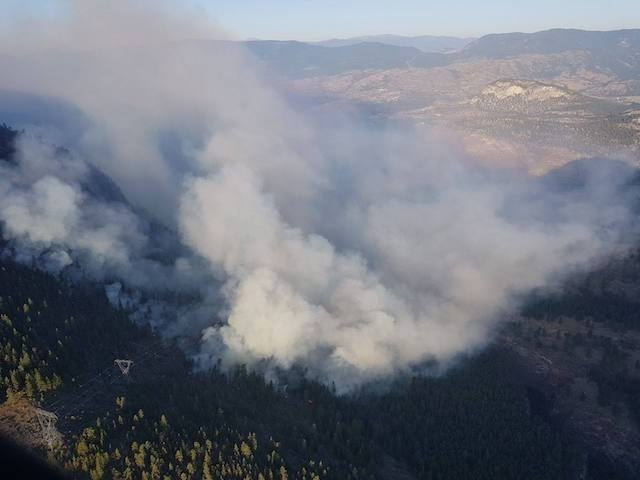
Canadians are increasingly vulnerable to a growing number of natural disasters, yet a dangerous level of complacency threatens the nation's safety and well-being. From the devastating wildfires ravaging western provinces to the ever-present threat of earthquakes along the Pacific coast, experts warn that Canada is woefully ill-prepared to handle the escalating challenges posed by climate change and geological activity.
While the frequency and intensity of events like wildfires, floods, and seismic activity are on the rise, a significant portion of the Canadian population remains unaware of the risks they face and lacks the necessary resources and knowledge to protect themselves and their communities. This lack of preparedness isn't simply an individual issue; it reflects a systemic failure to prioritize disaster resilience at all levels of government and within society as a whole.
The warning signs are clear. Recent years have witnessed record-breaking wildfire seasons, displacing thousands and causing billions of dollars in damage. Coastal communities are grappling with rising sea levels and increasingly severe storms. And the threat of a major earthquake in British Columbia remains a constant, yet often overlooked, concern.
The core of the problem lies in a collective sense of complacency. Many Canadians assume that disasters are rare occurrences or that the government will automatically step in to provide assistance. This assumption is dangerous and unrealistic. Emergency services can quickly become overwhelmed during large-scale events, leaving individuals and communities to fend for themselves in the immediate aftermath.
Addressing this crisis requires a multi-pronged approach. Public awareness campaigns are crucial to educate Canadians about the specific risks they face in their regions and to provide practical guidance on how to prepare. This includes creating emergency kits, developing evacuation plans, and understanding local alert systems.
Furthermore, governments must invest in infrastructure improvements to mitigate the impacts of disasters, such as reinforcing buildings to withstand earthquakes, improving flood defenses, and implementing better forest management practices. Strengthening emergency response capabilities and ensuring adequate resources are available to support affected communities are also paramount. Overcoming the pervasive complacency and taking proactive steps to enhance disaster preparedness is not merely a matter of prudence; it is essential for safeguarding the lives and livelihoods of Canadians in the face of a growing and increasingly unpredictable threat landscape.
Canadians are increasingly vulnerable to a growing number of natural disasters, yet a dangerous level of complacency threatens the nation's safety and well-being. From the devastating wildfires ravaging western provinces to the ever-present threat of earthquakes along the Pacific coast, experts warn that Canada is woefully ill-prepared to handle the escalating challenges posed by climate change and geological activity.
While the frequency and intensity of events like wildfires, floods, and seismic activity are on the rise, a significant portion of the Canadian population remains unaware of the risks they face and lacks the necessary resources and knowledge to protect themselves and their communities. This lack of preparedness isn't simply an individual issue; it reflects a systemic failure to prioritize disaster resilience at all levels of government and within society as a whole.
The warning signs are clear. Recent years have witnessed record-breaking wildfire seasons, displacing thousands and causing billions of dollars in damage. Coastal communities are grappling with rising sea levels and increasingly severe storms. And the threat of a major earthquake in British Columbia remains a constant, yet often overlooked, concern.
The core of the problem lies in a collective sense of complacency. Many Canadians assume that disasters are rare occurrences or that the government will automatically step in to provide assistance. This assumption is dangerous and unrealistic. Emergency services can quickly become overwhelmed during large-scale events, leaving individuals and communities to fend for themselves in the immediate aftermath.
Addressing this crisis requires a multi-pronged approach. Public awareness campaigns are crucial to educate Canadians about the specific risks they face in their regions and to provide practical guidance on how to prepare. This includes creating emergency kits, developing evacuation plans, and understanding local alert systems.
Furthermore, governments must invest in infrastructure improvements to mitigate the impacts of disasters, such as reinforcing buildings to withstand earthquakes, improving flood defenses, and implementing better forest management practices. Strengthening emergency response capabilities and ensuring adequate resources are available to support affected communities are also paramount. Overcoming the pervasive complacency and taking proactive steps to enhance disaster preparedness is not merely a matter of prudence; it is essential for safeguarding the lives and livelihoods of Canadians in the face of a growing and increasingly unpredictable threat landscape.
Category:
Politics