
News
December 03, 2025
Commentary: Hong Kong must demand accountability to rebound after deadly fire
As Hong Kong takes stock of the deep-rooted issues exposed by the flames, it was unavoidable that the deadly Tai Po blaze became politicised, says former SCMP editor-in-chief Wang Xiangwei.
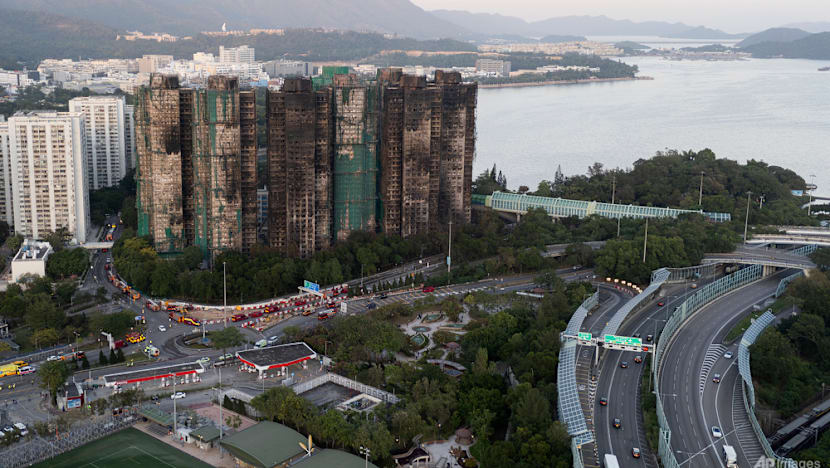
Hong Kong is grappling with the fallout from a devastating fire in Tai Po, a tragedy that has ignited a fierce debate about accountability and systemic problems within the city. Wang Xiangwei, former editor-in-chief of the South China Morning Post, argues that a genuine rebound for Hong Kong hinges on demanding and achieving accountability in the wake of this disaster.
The blaze, which claimed lives and left many injured, has exposed vulnerabilities in Hong Kong's safety infrastructure and emergency response protocols. While investigations are underway to determine the exact cause of the fire, the tragedy has already become highly politicized, according to Wang. This is perhaps unavoidable, given the sensitive political climate and the deep sense of public frustration that often accompanies such events.
In his commentary, Wang highlights the crucial need to move beyond mere condolences and promises of investigation. He emphasizes that true healing and progress can only occur when those responsible for any negligence or systemic failures are held accountable. This includes not only identifying the immediate causes of the fire but also scrutinizing the broader regulatory framework and enforcement mechanisms that are meant to prevent such disasters.
The public's trust in government institutions has been shaken, and rebuilding that trust requires demonstrable action. Wang suggests that a transparent and impartial inquiry is essential to uncovering the root causes of the tragedy and making concrete recommendations for improvement. This inquiry should not shy away from examining potential shortcomings in building safety standards, fire safety inspections, and the responsiveness of emergency services.
Furthermore, Wang underscores the importance of addressing the underlying social and economic factors that may have contributed to the severity of the fire's impact. Overcrowded living conditions, inadequate housing options, and socioeconomic disparities can exacerbate the risks associated with fire hazards. A comprehensive approach to fire safety must therefore consider these broader societal issues.
The Tai Po fire serves as a stark reminder of the importance of vigilance and proactive measures in ensuring public safety. As Hong Kong mourns the victims and supports the affected communities, it must also seize this opportunity to learn from its mistakes and build a more resilient and accountable future. Wang's commentary serves as a call to action, urging Hong Kong to demand accountability as a critical step towards healing and moving forward. Only through genuine accountability can Hong Kong hope to rebound from this tragedy and prevent similar incidents from occurring in the future.
The blaze, which claimed lives and left many injured, has exposed vulnerabilities in Hong Kong's safety infrastructure and emergency response protocols. While investigations are underway to determine the exact cause of the fire, the tragedy has already become highly politicized, according to Wang. This is perhaps unavoidable, given the sensitive political climate and the deep sense of public frustration that often accompanies such events.
In his commentary, Wang highlights the crucial need to move beyond mere condolences and promises of investigation. He emphasizes that true healing and progress can only occur when those responsible for any negligence or systemic failures are held accountable. This includes not only identifying the immediate causes of the fire but also scrutinizing the broader regulatory framework and enforcement mechanisms that are meant to prevent such disasters.
The public's trust in government institutions has been shaken, and rebuilding that trust requires demonstrable action. Wang suggests that a transparent and impartial inquiry is essential to uncovering the root causes of the tragedy and making concrete recommendations for improvement. This inquiry should not shy away from examining potential shortcomings in building safety standards, fire safety inspections, and the responsiveness of emergency services.
Furthermore, Wang underscores the importance of addressing the underlying social and economic factors that may have contributed to the severity of the fire's impact. Overcrowded living conditions, inadequate housing options, and socioeconomic disparities can exacerbate the risks associated with fire hazards. A comprehensive approach to fire safety must therefore consider these broader societal issues.
The Tai Po fire serves as a stark reminder of the importance of vigilance and proactive measures in ensuring public safety. As Hong Kong mourns the victims and supports the affected communities, it must also seize this opportunity to learn from its mistakes and build a more resilient and accountable future. Wang's commentary serves as a call to action, urging Hong Kong to demand accountability as a critical step towards healing and moving forward. Only through genuine accountability can Hong Kong hope to rebound from this tragedy and prevent similar incidents from occurring in the future.
Category:
World