
News
December 03, 2025
Rob Shaw: B.C. reckless-driving bill hinges on suspensions with no evidence or appeal
Private member’s bill responding to a tragic death would give police sweeping roadside powers with no hearing, no review and broad definitions of 'reckless'
**B.C. Reckless-Driving Bill Raises Concerns Over Due Process**
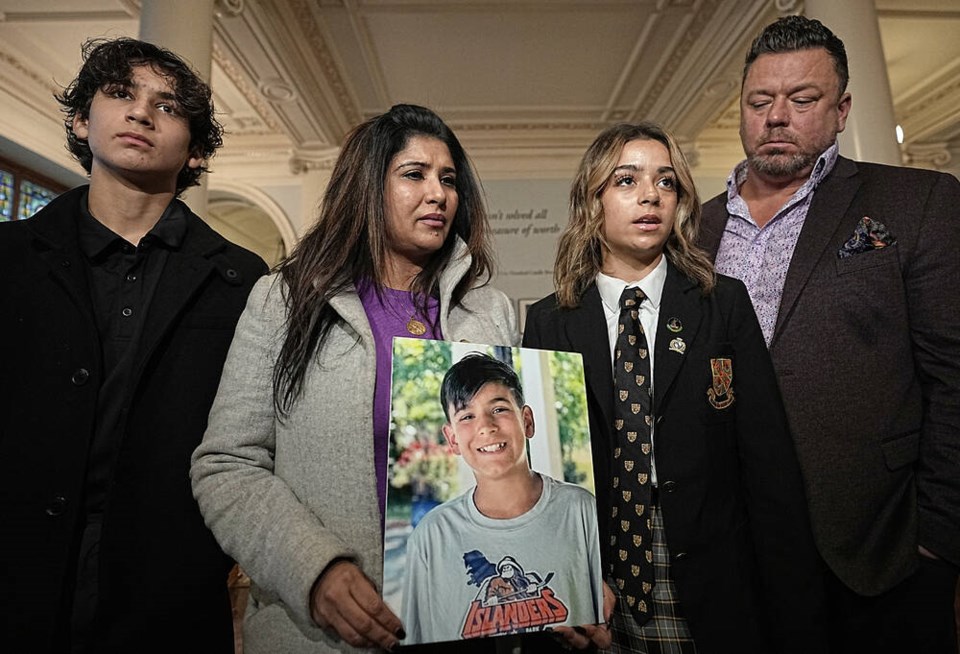
A proposed bill in British Columbia aimed at cracking down on reckless driving is generating significant controversy, with critics raising serious concerns about its potential impact on civil liberties. The private member's bill, drafted in response to a devastating tragedy, would grant police officers sweeping new powers to immediately suspend drivers' licenses based on a subjective assessment of "reckless" behaviour, without requiring concrete evidence or offering avenues for appeal.
The legislation seeks to empower law enforcement to remove potentially dangerous drivers from the road swiftly. However, the bill's broad definition of "reckless" and the absence of a formal hearing or review process before a suspension takes effect are sparking fears of potential abuse and wrongful punishment.
Under the proposed law, a police officer could suspend a driver's license immediately if they believe the driver's actions meet the criteria for reckless driving, even without a conviction in court. This roadside suspension could have significant consequences for individuals, potentially impacting their ability to work, attend school, or care for family members.
The lack of an immediate appeal process is a key point of contention. Currently, drivers facing serious traffic violations typically have the right to challenge the allegations against them in court. This bill bypasses that established legal framework, leaving drivers with seemingly little recourse to challenge a suspension they believe is unwarranted.
Critics argue that the bill's vague language and lack of procedural safeguards could lead to inconsistent enforcement and disproportionately affect certain communities. The absence of a clear definition of "reckless" raises concerns that officers might interpret the term differently, leading to arbitrary decisions.
While the bill's proponents emphasize its potential to prevent future tragedies and enhance road safety, opponents are urging lawmakers to carefully consider the potential ramifications for due process and individual rights. The debate highlights the delicate balance between public safety and the protection of fundamental freedoms, and the need for legislation that effectively addresses reckless driving without infringing upon the rights of law-abiding citizens. The bill’s future hinges on whether these concerns can be addressed to ensure fairness and accountability.
A proposed bill in British Columbia aimed at cracking down on reckless driving is generating significant controversy, with critics raising serious concerns about its potential impact on civil liberties. The private member's bill, drafted in response to a devastating tragedy, would grant police officers sweeping new powers to immediately suspend drivers' licenses based on a subjective assessment of "reckless" behaviour, without requiring concrete evidence or offering avenues for appeal.
The legislation seeks to empower law enforcement to remove potentially dangerous drivers from the road swiftly. However, the bill's broad definition of "reckless" and the absence of a formal hearing or review process before a suspension takes effect are sparking fears of potential abuse and wrongful punishment.
Under the proposed law, a police officer could suspend a driver's license immediately if they believe the driver's actions meet the criteria for reckless driving, even without a conviction in court. This roadside suspension could have significant consequences for individuals, potentially impacting their ability to work, attend school, or care for family members.
The lack of an immediate appeal process is a key point of contention. Currently, drivers facing serious traffic violations typically have the right to challenge the allegations against them in court. This bill bypasses that established legal framework, leaving drivers with seemingly little recourse to challenge a suspension they believe is unwarranted.
Critics argue that the bill's vague language and lack of procedural safeguards could lead to inconsistent enforcement and disproportionately affect certain communities. The absence of a clear definition of "reckless" raises concerns that officers might interpret the term differently, leading to arbitrary decisions.
While the bill's proponents emphasize its potential to prevent future tragedies and enhance road safety, opponents are urging lawmakers to carefully consider the potential ramifications for due process and individual rights. The debate highlights the delicate balance between public safety and the protection of fundamental freedoms, and the need for legislation that effectively addresses reckless driving without infringing upon the rights of law-abiding citizens. The bill’s future hinges on whether these concerns can be addressed to ensure fairness and accountability.
Category:
Politics