
News
December 01, 2025
Why secular politics in South Asia still clings to family dynasties
Politics in the region, the writer says, is rarely about policies alone—it is about identity, history, and belonging.
**Why Secular Politics in South Asia Still Clings to Family Dynasties**
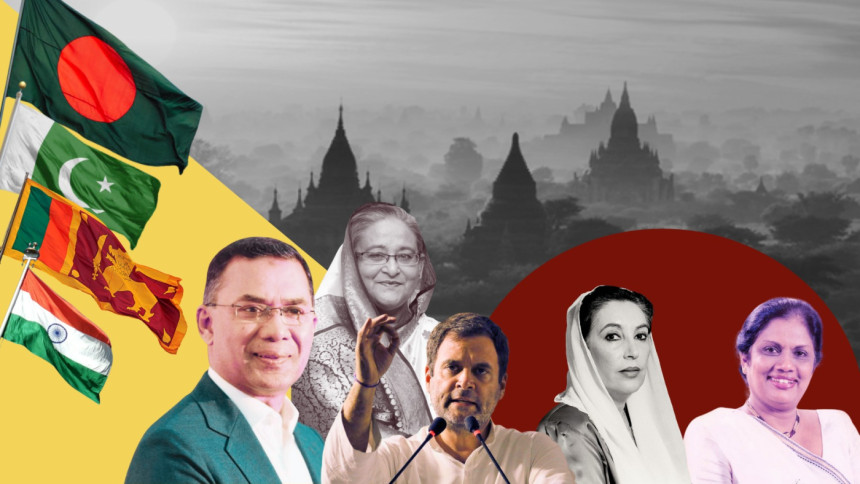
South Asia, a region grappling with complex issues of identity, history, and belonging, continues to see family dynasties exert significant influence over its political landscape, even within ostensibly secular political parties. While many nations strive for modern, policy-driven governance, the enduring power of familial connections highlights a deeper reality: politics here is rarely *just* about policy.
For generations, certain families have dominated political spheres, passing down leadership roles and cultivating loyal followings. This phenomenon isn't unique to South Asia, but its persistence and widespread nature in the region are notable. It raises questions about meritocracy, access to power, and the very nature of democracy itself.
The explanation lies, in part, in the strong emphasis on identity and historical legacies. In societies where traditional social structures remain influential, family names carry significant weight. They often represent not just lineage, but also a connection to a particular community, caste, or historical narrative. Political parties, even those claiming secular ideals, often leverage these pre-existing social bonds to mobilize support.
This reliance on familial ties can be seen as a shortcut to political legitimacy. A well-known family name provides instant recognition and, often, a pre-built network of supporters. For voters, especially in areas with lower literacy rates or limited access to information, a familiar name can be more reassuring than an abstract policy platform. It offers a sense of continuity and belonging in a rapidly changing world.
Moreover, the legacy of colonialism and subsequent nation-building processes has contributed to the consolidation of power within certain families. In the struggle for independence, certain individuals and their families rose to prominence, establishing themselves as symbols of resistance and national identity. This historical capital has been passed down through generations, giving them an advantage in the political arena.
However, the continued dominance of political dynasties also presents challenges. It can stifle fresh perspectives and limit opportunities for individuals from less privileged backgrounds to enter politics. Critics argue that it perpetuates a system of patronage and cronyism, hindering genuine democratic progress. Ultimately, the enduring presence of family dynasties in South Asian politics underscores the complex interplay of history, identity, and power in a region striving for a more equitable and representative future.
South Asia, a region grappling with complex issues of identity, history, and belonging, continues to see family dynasties exert significant influence over its political landscape, even within ostensibly secular political parties. While many nations strive for modern, policy-driven governance, the enduring power of familial connections highlights a deeper reality: politics here is rarely *just* about policy.
For generations, certain families have dominated political spheres, passing down leadership roles and cultivating loyal followings. This phenomenon isn't unique to South Asia, but its persistence and widespread nature in the region are notable. It raises questions about meritocracy, access to power, and the very nature of democracy itself.
The explanation lies, in part, in the strong emphasis on identity and historical legacies. In societies where traditional social structures remain influential, family names carry significant weight. They often represent not just lineage, but also a connection to a particular community, caste, or historical narrative. Political parties, even those claiming secular ideals, often leverage these pre-existing social bonds to mobilize support.
This reliance on familial ties can be seen as a shortcut to political legitimacy. A well-known family name provides instant recognition and, often, a pre-built network of supporters. For voters, especially in areas with lower literacy rates or limited access to information, a familiar name can be more reassuring than an abstract policy platform. It offers a sense of continuity and belonging in a rapidly changing world.
Moreover, the legacy of colonialism and subsequent nation-building processes has contributed to the consolidation of power within certain families. In the struggle for independence, certain individuals and their families rose to prominence, establishing themselves as symbols of resistance and national identity. This historical capital has been passed down through generations, giving them an advantage in the political arena.
However, the continued dominance of political dynasties also presents challenges. It can stifle fresh perspectives and limit opportunities for individuals from less privileged backgrounds to enter politics. Critics argue that it perpetuates a system of patronage and cronyism, hindering genuine democratic progress. Ultimately, the enduring presence of family dynasties in South Asian politics underscores the complex interplay of history, identity, and power in a region striving for a more equitable and representative future.
Category:
Politics