
News
December 01, 2025
The Future of Space Tech: AI in Mars Missions
Explore how AI is set to transform Mars missions by enabling autonomy, safety, scientific discovery, and sustainable exploration.
AI is poised to revolutionize the exploration of Mars, ushering in a new era of autonomous, safer, and more scientifically productive missions. As space agencies worldwide set their sights on the Red Planet, the integration of artificial intelligence is no longer a futuristic concept but a vital necessity for overcoming the immense challenges of deep-space travel and Martian exploration.
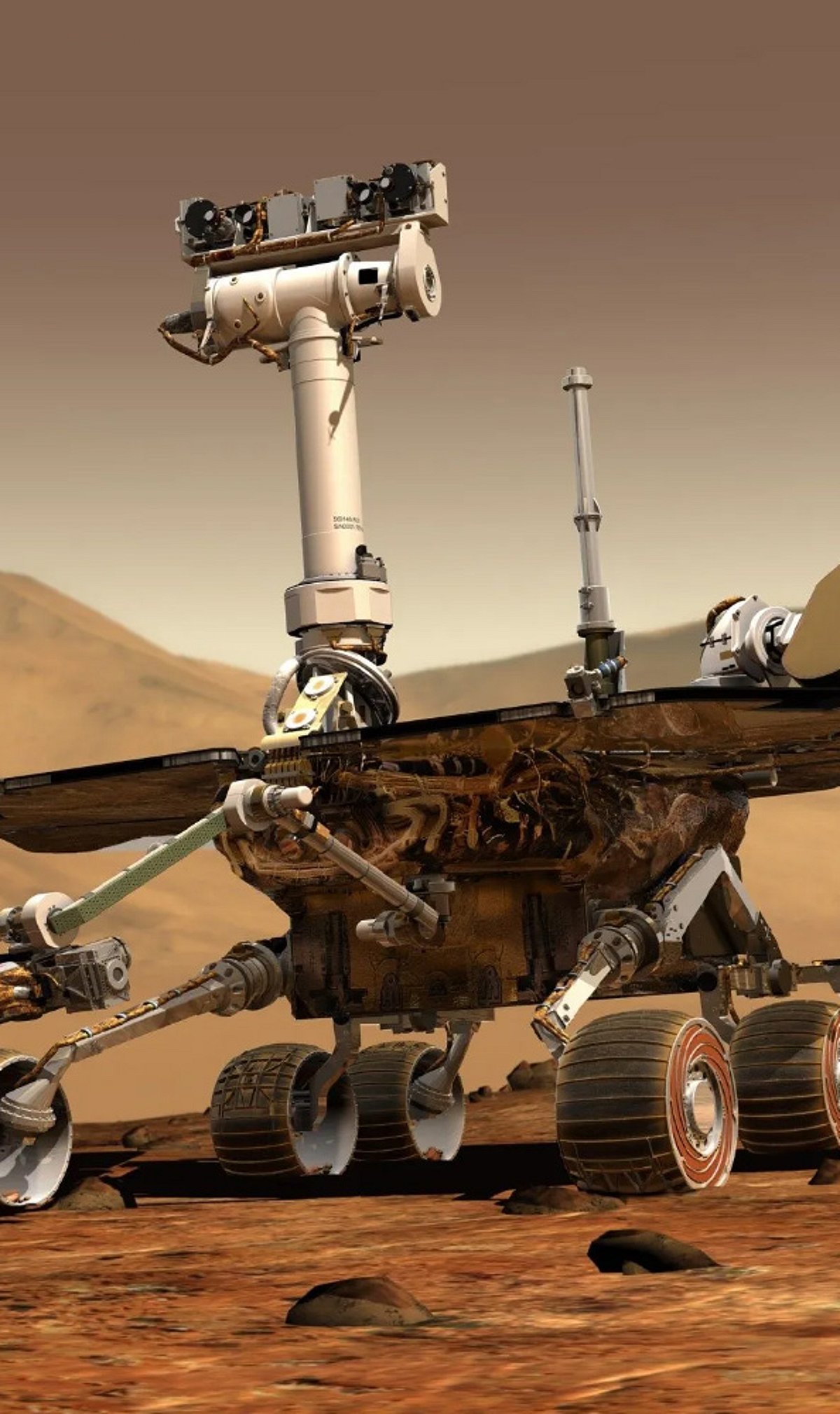
The vast distances and communication delays inherent in missions to Mars make real-time control from Earth virtually impossible. This is where AI steps in, offering the capability for spacecraft and rovers to operate with a high degree of autonomy. Imagine rovers independently navigating treacherous terrains, identifying samples of interest for analysis, and even repairing themselves – all without constant human intervention. This level of self-reliance significantly enhances the efficiency of exploration, allowing for more ground to be covered and more data to be collected.
Safety is paramount in space exploration, and AI is playing a crucial role in mitigating risks. AI-powered systems can monitor spacecraft health, detect anomalies, and automatically adjust flight parameters to avoid potential hazards. On the Martian surface, AI can assist rovers in avoiding obstacles, predicting dust storms, and making informed decisions about traversing difficult landscapes. This proactive approach to safety ensures the longevity of missions and the protection of valuable scientific equipment.
Beyond autonomy and safety, AI is also accelerating scientific discovery on Mars. The sheer volume of data generated by Martian probes and rovers is overwhelming. AI algorithms can sift through this data at incredible speeds, identifying patterns, anomalies, and potential areas of scientific interest that might otherwise be missed by human researchers. This can lead to groundbreaking discoveries about the planet's geology, atmosphere, and potential for past or present life.
Furthermore, AI is contributing to the development of sustainable exploration strategies. By optimizing resource utilization, predicting equipment failures, and managing energy consumption, AI can help make Mars missions more efficient and environmentally responsible. This is crucial for establishing a long-term human presence on the planet and minimizing our impact on the Martian environment.
The future of Mars exploration is inextricably linked to the advancement of AI. As AI technology continues to evolve, we can expect even more sophisticated applications that will enable us to explore the Red Planet in unprecedented detail, unlocking its secrets and paving the way for future human settlements. The journey to Mars is a challenging one, but with the help of AI, we are one step closer to making it a reality.
The vast distances and communication delays inherent in missions to Mars make real-time control from Earth virtually impossible. This is where AI steps in, offering the capability for spacecraft and rovers to operate with a high degree of autonomy. Imagine rovers independently navigating treacherous terrains, identifying samples of interest for analysis, and even repairing themselves – all without constant human intervention. This level of self-reliance significantly enhances the efficiency of exploration, allowing for more ground to be covered and more data to be collected.
Safety is paramount in space exploration, and AI is playing a crucial role in mitigating risks. AI-powered systems can monitor spacecraft health, detect anomalies, and automatically adjust flight parameters to avoid potential hazards. On the Martian surface, AI can assist rovers in avoiding obstacles, predicting dust storms, and making informed decisions about traversing difficult landscapes. This proactive approach to safety ensures the longevity of missions and the protection of valuable scientific equipment.
Beyond autonomy and safety, AI is also accelerating scientific discovery on Mars. The sheer volume of data generated by Martian probes and rovers is overwhelming. AI algorithms can sift through this data at incredible speeds, identifying patterns, anomalies, and potential areas of scientific interest that might otherwise be missed by human researchers. This can lead to groundbreaking discoveries about the planet's geology, atmosphere, and potential for past or present life.
Furthermore, AI is contributing to the development of sustainable exploration strategies. By optimizing resource utilization, predicting equipment failures, and managing energy consumption, AI can help make Mars missions more efficient and environmentally responsible. This is crucial for establishing a long-term human presence on the planet and minimizing our impact on the Martian environment.
The future of Mars exploration is inextricably linked to the advancement of AI. As AI technology continues to evolve, we can expect even more sophisticated applications that will enable us to explore the Red Planet in unprecedented detail, unlocking its secrets and paving the way for future human settlements. The journey to Mars is a challenging one, but with the help of AI, we are one step closer to making it a reality.
Category:
Technology