
News
November 24, 2025
10 things your eyes can tell you about your health (before you feel sick)
Going for a regular eye check-up is about more than assessing your ability to see. Your eyes can be a window to early detection of a range of serious health problems, long before you feel unwell.
**Your Eyes: A Sneak Peek into Your Overall Health**
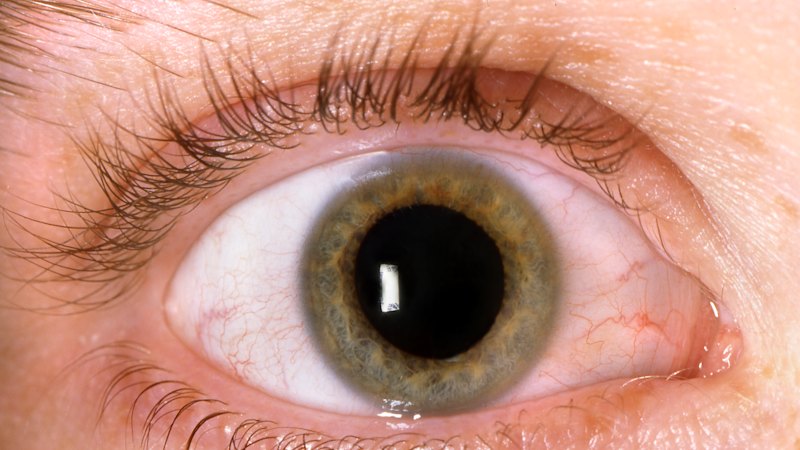
We all know regular eye exams are important for clear vision, but did you know your eyes can reveal much more about your health than just your prescription? They can actually offer early clues to potential health problems, sometimes even before you experience any noticeable symptoms. Think of your eyes as a window, providing doctors with a unique view into the intricate workings of your body.
During a comprehensive eye exam, your ophthalmologist or optometrist looks beyond your ability to read letters on a chart. They examine the blood vessels, nerves, and tissues in and around your eyes, searching for subtle signs that might indicate a developing health issue elsewhere in your body. These signs can be incredibly valuable in facilitating early diagnosis and treatment, potentially preventing serious complications down the road.
For example, changes in the blood vessels of the retina, the light-sensitive tissue at the back of your eye, can be an early indicator of diabetes or high blood pressure. These conditions, if left untreated, can lead to serious health problems like heart disease, stroke, and kidney failure. Similarly, swelling of the optic nerve, which connects the eye to the brain, can be a sign of increased pressure in the brain, potentially caused by tumors or other neurological conditions.
Other eye-related signs that might warrant further investigation include persistent dry eyes, which could be linked to autoimmune diseases like Sjogren's syndrome. Blurred vision or seeing halos around lights could be a symptom of glaucoma, a condition that damages the optic nerve. Yellowing of the whites of the eyes, known as jaundice, can indicate liver problems. And even something as seemingly minor as a droopy eyelid could be a sign of a neurological issue or muscle weakness.
Regular eye exams are a proactive step you can take to safeguard not only your vision but also your overall health. By scheduling routine check-ups, you're giving your eye doctor the opportunity to detect potential problems early on, allowing for timely intervention and a greater chance of successful treatment. So, don't just think of your eye exam as a vision test; consider it a valuable health screening that could potentially save your life.
We all know regular eye exams are important for clear vision, but did you know your eyes can reveal much more about your health than just your prescription? They can actually offer early clues to potential health problems, sometimes even before you experience any noticeable symptoms. Think of your eyes as a window, providing doctors with a unique view into the intricate workings of your body.
During a comprehensive eye exam, your ophthalmologist or optometrist looks beyond your ability to read letters on a chart. They examine the blood vessels, nerves, and tissues in and around your eyes, searching for subtle signs that might indicate a developing health issue elsewhere in your body. These signs can be incredibly valuable in facilitating early diagnosis and treatment, potentially preventing serious complications down the road.
For example, changes in the blood vessels of the retina, the light-sensitive tissue at the back of your eye, can be an early indicator of diabetes or high blood pressure. These conditions, if left untreated, can lead to serious health problems like heart disease, stroke, and kidney failure. Similarly, swelling of the optic nerve, which connects the eye to the brain, can be a sign of increased pressure in the brain, potentially caused by tumors or other neurological conditions.
Other eye-related signs that might warrant further investigation include persistent dry eyes, which could be linked to autoimmune diseases like Sjogren's syndrome. Blurred vision or seeing halos around lights could be a symptom of glaucoma, a condition that damages the optic nerve. Yellowing of the whites of the eyes, known as jaundice, can indicate liver problems. And even something as seemingly minor as a droopy eyelid could be a sign of a neurological issue or muscle weakness.
Regular eye exams are a proactive step you can take to safeguard not only your vision but also your overall health. By scheduling routine check-ups, you're giving your eye doctor the opportunity to detect potential problems early on, allowing for timely intervention and a greater chance of successful treatment. So, don't just think of your eye exam as a vision test; consider it a valuable health screening that could potentially save your life.
Category:
Politics