
News
November 23, 2025
‘Lōal Kashmir’: Mehak Jamal explores how militarisation impacts romantic relationships in Kashmir
But Jamal invokes terms like ‘romance’, ‘platonic love’, and ‘longing’ with little effort to provincialise them within the wider social fabric of Kashmir.
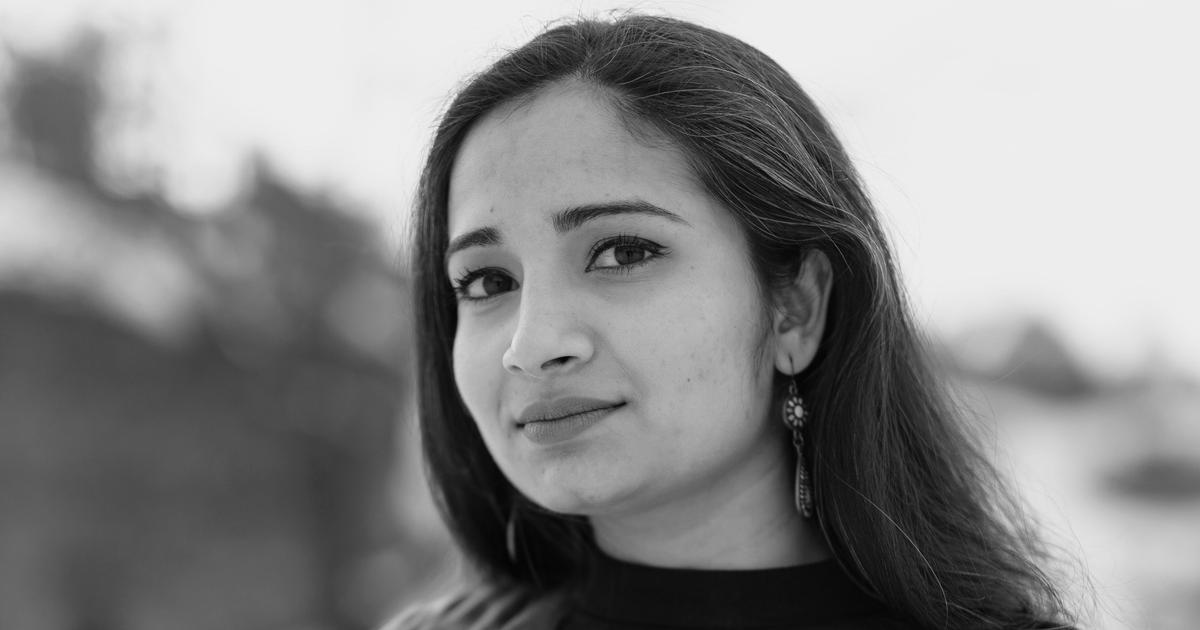
Mehak Jamal's new book, ‘Lōal Kashmir,’ delves into the intricate and often-overlooked ways that militarization affects the romantic lives of people living in Kashmir. While conflict is often portrayed through a political or socio-economic lens, Jamal’s work shines a light on the deeply personal and intimate sphere of relationships, exploring how the pervasive presence of military forces shapes love, desire, and connection in the region.
The book promises to offer a nuanced understanding of how militarization seeps into the very fabric of Kashmiri society, influencing not only the overt expressions of romance but also the subtle nuances of platonic love and the pervasive feeling of longing. Jamal's exploration aims to uncover the challenges and adaptations individuals face when navigating relationships under constant surveillance and the ever-present threat of violence.
However, some critics suggest that Jamal might be applying Western concepts of 'romance,' 'platonic love,' and 'longing' without adequately grounding them within the specific cultural and social context of Kashmir. The concern is that these terms, loaded with their own historical and societal baggage, may not fully capture the complexities and unique expressions of love and affection within the Kashmiri community.
The question arises whether these universal emotions are experienced and expressed in the same way in a region grappling with decades of conflict and political instability. Does militarization alter the very definition of love and longing? Does it create new forms of intimacy and connection born out of shared experiences of hardship and resilience?
‘Lōal Kashmir’ undoubtedly opens up a crucial conversation about the human cost of conflict, extending beyond the immediate casualties and economic repercussions. It forces us to consider the emotional landscape of a region often defined by its political struggles, and to examine how love and relationships endure, adapt, and are ultimately transformed under the weight of militarization. The success of the book, however, may hinge on its ability to authentically represent the Kashmiri experience and avoid imposing external frameworks onto a uniquely complex reality. Further discussion and analysis will be needed to fully assess the book's contribution to understanding the multifaceted impact of militarization on Kashmiri society.
The book promises to offer a nuanced understanding of how militarization seeps into the very fabric of Kashmiri society, influencing not only the overt expressions of romance but also the subtle nuances of platonic love and the pervasive feeling of longing. Jamal's exploration aims to uncover the challenges and adaptations individuals face when navigating relationships under constant surveillance and the ever-present threat of violence.
However, some critics suggest that Jamal might be applying Western concepts of 'romance,' 'platonic love,' and 'longing' without adequately grounding them within the specific cultural and social context of Kashmir. The concern is that these terms, loaded with their own historical and societal baggage, may not fully capture the complexities and unique expressions of love and affection within the Kashmiri community.
The question arises whether these universal emotions are experienced and expressed in the same way in a region grappling with decades of conflict and political instability. Does militarization alter the very definition of love and longing? Does it create new forms of intimacy and connection born out of shared experiences of hardship and resilience?
‘Lōal Kashmir’ undoubtedly opens up a crucial conversation about the human cost of conflict, extending beyond the immediate casualties and economic repercussions. It forces us to consider the emotional landscape of a region often defined by its political struggles, and to examine how love and relationships endure, adapt, and are ultimately transformed under the weight of militarization. The success of the book, however, may hinge on its ability to authentically represent the Kashmiri experience and avoid imposing external frameworks onto a uniquely complex reality. Further discussion and analysis will be needed to fully assess the book's contribution to understanding the multifaceted impact of militarization on Kashmiri society.
Category:
Politics