
News
November 20, 2025
Statiegeld bottle deposits could double next year, says Dutch inspectorate
The ILT is pushing for the Netherlands' poor return rate on bottles and cans to be boosted. Starting in 2026, the statiegeld deposit could go up to 30 cents.
**Dutch Consumers Could Pay More for Drinks as Bottle Deposit Increase Looms**
The Netherlands could see a significant increase in the deposit paid on bottles and cans as early as 2026. The Inspectorate Living Environment and Transport (ILT), the Dutch environmental and transport watchdog, is advocating for a doubling of the current 'statiegeld,' or deposit, on these items, potentially raising it to 30 cents per container. This push comes in response to persistently low return rates, signaling a need for stronger incentives to encourage recycling.
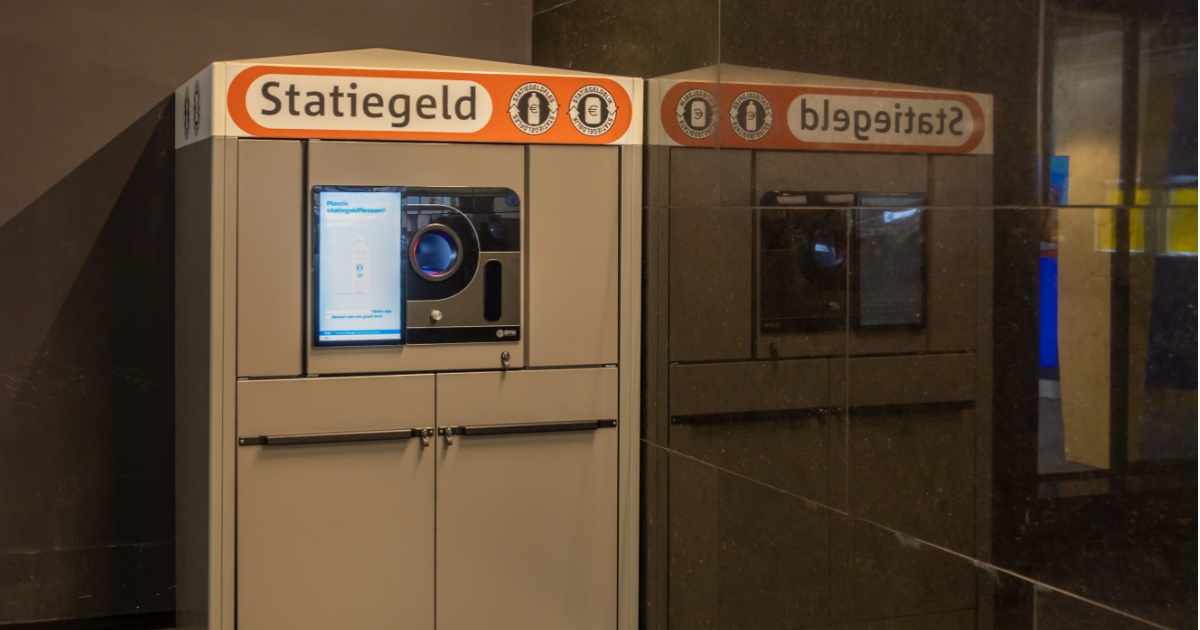
Currently, a deposit system is in place for certain bottles and cans, aimed at reducing litter and promoting a circular economy. Consumers pay a small fee when purchasing a beverage, which is then refunded when the empty container is returned to a designated collection point, usually a supermarket or vending machine. However, the ILT believes the existing deposit amount is not sufficient to motivate widespread participation.
The proposed increase to 30 cents aims to bridge the gap between current return rates and the desired levels of environmental responsibility. By making the deposit more substantial, the ILT hopes to make returning empty bottles and cans a more attractive proposition for consumers. The rationale is simple: a higher deposit translates to a greater perceived financial loss for those who choose to discard their containers improperly.
While the ILT's recommendation is a significant step, it's important to note that this is not yet a done deal. The proposal will need to be reviewed and potentially approved by relevant government bodies before it can be implemented. If approved, the increased deposit is slated to take effect in 2026, giving businesses and consumers time to adapt to the change.
The potential impact of this change extends beyond individual consumers. Businesses that sell beverages in recyclable containers will need to adjust their pricing and collection systems. Supermarkets and other return points may also need to invest in additional infrastructure to handle the anticipated increase in returned bottles and cans.
Ultimately, the goal of this initiative is to improve the Netherlands' recycling rates and reduce the environmental impact of discarded beverage containers. Whether the proposed increase to 30 cents will be enough to achieve this goal remains to be seen, but it represents a significant step towards a more sustainable future.
The Netherlands could see a significant increase in the deposit paid on bottles and cans as early as 2026. The Inspectorate Living Environment and Transport (ILT), the Dutch environmental and transport watchdog, is advocating for a doubling of the current 'statiegeld,' or deposit, on these items, potentially raising it to 30 cents per container. This push comes in response to persistently low return rates, signaling a need for stronger incentives to encourage recycling.
Currently, a deposit system is in place for certain bottles and cans, aimed at reducing litter and promoting a circular economy. Consumers pay a small fee when purchasing a beverage, which is then refunded when the empty container is returned to a designated collection point, usually a supermarket or vending machine. However, the ILT believes the existing deposit amount is not sufficient to motivate widespread participation.
The proposed increase to 30 cents aims to bridge the gap between current return rates and the desired levels of environmental responsibility. By making the deposit more substantial, the ILT hopes to make returning empty bottles and cans a more attractive proposition for consumers. The rationale is simple: a higher deposit translates to a greater perceived financial loss for those who choose to discard their containers improperly.
While the ILT's recommendation is a significant step, it's important to note that this is not yet a done deal. The proposal will need to be reviewed and potentially approved by relevant government bodies before it can be implemented. If approved, the increased deposit is slated to take effect in 2026, giving businesses and consumers time to adapt to the change.
The potential impact of this change extends beyond individual consumers. Businesses that sell beverages in recyclable containers will need to adjust their pricing and collection systems. Supermarkets and other return points may also need to invest in additional infrastructure to handle the anticipated increase in returned bottles and cans.
Ultimately, the goal of this initiative is to improve the Netherlands' recycling rates and reduce the environmental impact of discarded beverage containers. Whether the proposed increase to 30 cents will be enough to achieve this goal remains to be seen, but it represents a significant step towards a more sustainable future.
Category:
Business