
News
November 14, 2025
Durham and Darlington PCC criticises government decision to scrap role
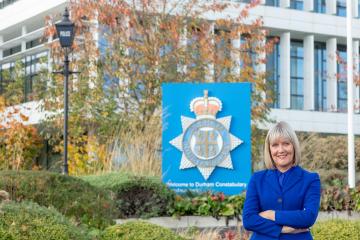
A regional police and crime commissioner (PCC) has criticised the government’s decision to scrap the role.
**Durham and Darlington PCC criticises government decision to scrap role**
A wave of concern is rippling through local governance as the Police and Crime Commissioner (PCC) for Durham and Darlington has voiced strong opposition to the government’s recent decision to abolish the PCC role. The criticism highlights potential disruptions to local policing oversight and accountability, key functions currently managed by the PCC.
The PCC, responsible for holding the police to account, setting the local police budget, and representing the public's voice in policing matters, argues that the move undermines democratic processes and could lead to a disconnect between the police and the communities they serve. In a statement released earlier today, the PCC expressed deep disappointment, emphasizing the vital role the office plays in ensuring effective and transparent policing across Durham and Darlington.
"This decision feels incredibly short-sighted," the statement read. "The PCC role was created to provide a direct line of communication between the public and the police, ensuring that local concerns are heard and acted upon. Scrapping the role risks centralizing power and diminishing local influence over policing priorities."
The government's rationale behind the decision remains unclear, though speculation points to potential cost-cutting measures and a desire for greater efficiency. However, critics argue that any financial savings will be offset by the potential loss of local accountability and the erosion of public trust in the police force.
The PCC's office has been actively involved in initiatives aimed at reducing crime rates, improving community safety, and supporting victims of crime across the region. The future of these initiatives, and the funding allocated to them, now hangs in the balance.
The decision has sparked debate among local residents and community leaders, many of whom are questioning the impact on policing effectiveness and the potential for increased bureaucracy. Concerns have also been raised about who will assume the responsibilities currently held by the PCC, and how local voices will be represented in future policing strategies. The PCC has vowed to continue advocating for the interests of the communities of Durham and Darlington and to seek clarification from the government regarding the transition process and the future of local policing governance. Further details are expected in the coming weeks as the government outlines its plans for the future of policing oversight in the region.
A wave of concern is rippling through local governance as the Police and Crime Commissioner (PCC) for Durham and Darlington has voiced strong opposition to the government’s recent decision to abolish the PCC role. The criticism highlights potential disruptions to local policing oversight and accountability, key functions currently managed by the PCC.
The PCC, responsible for holding the police to account, setting the local police budget, and representing the public's voice in policing matters, argues that the move undermines democratic processes and could lead to a disconnect between the police and the communities they serve. In a statement released earlier today, the PCC expressed deep disappointment, emphasizing the vital role the office plays in ensuring effective and transparent policing across Durham and Darlington.
"This decision feels incredibly short-sighted," the statement read. "The PCC role was created to provide a direct line of communication between the public and the police, ensuring that local concerns are heard and acted upon. Scrapping the role risks centralizing power and diminishing local influence over policing priorities."
The government's rationale behind the decision remains unclear, though speculation points to potential cost-cutting measures and a desire for greater efficiency. However, critics argue that any financial savings will be offset by the potential loss of local accountability and the erosion of public trust in the police force.
The PCC's office has been actively involved in initiatives aimed at reducing crime rates, improving community safety, and supporting victims of crime across the region. The future of these initiatives, and the funding allocated to them, now hangs in the balance.
The decision has sparked debate among local residents and community leaders, many of whom are questioning the impact on policing effectiveness and the potential for increased bureaucracy. Concerns have also been raised about who will assume the responsibilities currently held by the PCC, and how local voices will be represented in future policing strategies. The PCC has vowed to continue advocating for the interests of the communities of Durham and Darlington and to seek clarification from the government regarding the transition process and the future of local policing governance. Further details are expected in the coming weeks as the government outlines its plans for the future of policing oversight in the region.
Category:
Politics