
News
November 04, 2025
South Korea’s hydrogen capital eyeing B.C. partnerships
High demand creates opportunities for B.C.–South Korea hydrogen collaboration
**South Korea’s hydrogen capital eyeing B.C. partnerships**
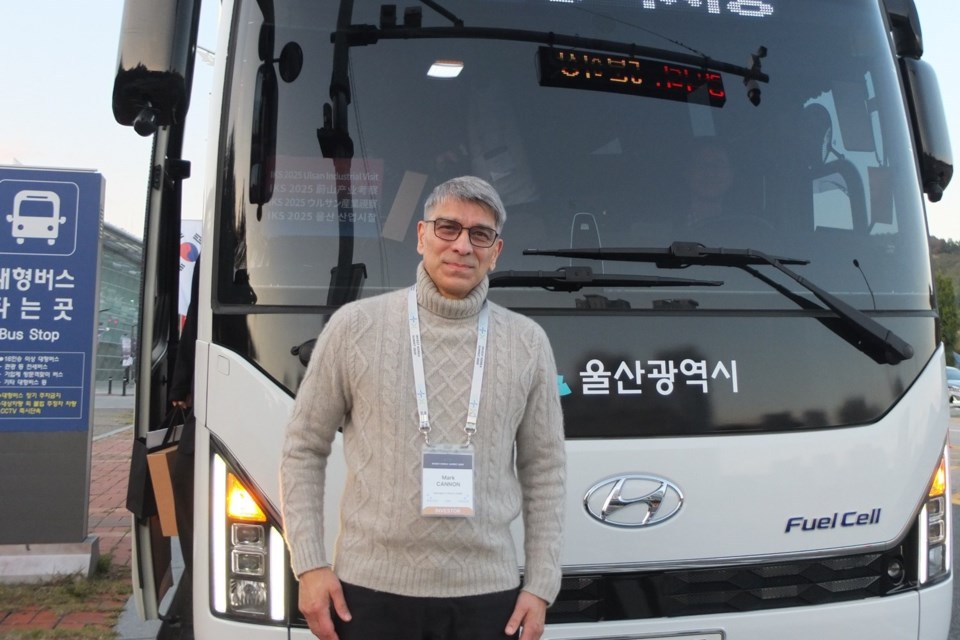
Ulsan, South Korea, widely recognized as the nation's hydrogen capital, is actively seeking partnerships with British Columbia to capitalize on the growing demand for clean hydrogen energy. The burgeoning hydrogen economy in South Korea presents significant opportunities for collaboration, particularly with B.C., which boasts abundant natural resources and a strong commitment to sustainable energy solutions.
Ulsan has positioned itself at the forefront of South Korea's hydrogen transition, investing heavily in infrastructure and technology related to hydrogen production, storage, and utilization. This ambitious push is driven by South Korea's national strategy to become a leading hydrogen economy, reducing its reliance on fossil fuels and achieving its climate goals. The city's existing industrial base, including shipbuilding and automotive manufacturing, is being retooled to incorporate hydrogen technologies, creating a substantial demand for reliable and sustainable hydrogen supply.
British Columbia, with its vast reserves of natural gas and renewable energy sources like hydropower, is uniquely positioned to become a major exporter of clean hydrogen. The province is already investing in hydrogen production projects, including the development of blue hydrogen (produced from natural gas with carbon capture) and green hydrogen (produced from renewable energy sources).
The potential collaboration between Ulsan and B.C. could take several forms. B.C. could become a key supplier of hydrogen to Ulsan, helping to fuel the city's growing hydrogen economy. This could involve establishing long-term supply agreements and investing in the necessary infrastructure for transporting hydrogen across the Pacific. Furthermore, the partnership could foster technological exchange and joint research and development projects. B.C. companies could benefit from Ulsan's expertise in hydrogen utilization, while South Korean companies could leverage B.C.'s resources and innovative spirit in hydrogen production.
The high demand for hydrogen in Ulsan creates a compelling incentive for B.C. to accelerate its hydrogen development plans. By working together, both regions can contribute to a cleaner energy future and unlock significant economic opportunities. The focus on sustainability and innovation makes this partnership a promising model for international collaboration in the global transition to a hydrogen-based economy. As South Korea's hydrogen ambitions continue to grow, the potential for collaboration with B.C. will only increase, solidifying the importance of fostering strong relationships and strategic partnerships.
Ulsan, South Korea, widely recognized as the nation's hydrogen capital, is actively seeking partnerships with British Columbia to capitalize on the growing demand for clean hydrogen energy. The burgeoning hydrogen economy in South Korea presents significant opportunities for collaboration, particularly with B.C., which boasts abundant natural resources and a strong commitment to sustainable energy solutions.
Ulsan has positioned itself at the forefront of South Korea's hydrogen transition, investing heavily in infrastructure and technology related to hydrogen production, storage, and utilization. This ambitious push is driven by South Korea's national strategy to become a leading hydrogen economy, reducing its reliance on fossil fuels and achieving its climate goals. The city's existing industrial base, including shipbuilding and automotive manufacturing, is being retooled to incorporate hydrogen technologies, creating a substantial demand for reliable and sustainable hydrogen supply.
British Columbia, with its vast reserves of natural gas and renewable energy sources like hydropower, is uniquely positioned to become a major exporter of clean hydrogen. The province is already investing in hydrogen production projects, including the development of blue hydrogen (produced from natural gas with carbon capture) and green hydrogen (produced from renewable energy sources).
The potential collaboration between Ulsan and B.C. could take several forms. B.C. could become a key supplier of hydrogen to Ulsan, helping to fuel the city's growing hydrogen economy. This could involve establishing long-term supply agreements and investing in the necessary infrastructure for transporting hydrogen across the Pacific. Furthermore, the partnership could foster technological exchange and joint research and development projects. B.C. companies could benefit from Ulsan's expertise in hydrogen utilization, while South Korean companies could leverage B.C.'s resources and innovative spirit in hydrogen production.
The high demand for hydrogen in Ulsan creates a compelling incentive for B.C. to accelerate its hydrogen development plans. By working together, both regions can contribute to a cleaner energy future and unlock significant economic opportunities. The focus on sustainability and innovation makes this partnership a promising model for international collaboration in the global transition to a hydrogen-based economy. As South Korea's hydrogen ambitions continue to grow, the potential for collaboration with B.C. will only increase, solidifying the importance of fostering strong relationships and strategic partnerships.
Category:
World