
News
October 05, 2025
International Observe the Moon Night 2025: 4 things to see on the lunar surface on Oct. 4
Grab your telescope and hunt down these four lunar features to celebrate International Observe the Moon Night 2025 on Oct. 4.
**Get Ready to Moonwatch! Four Lunar Wonders to Spot on International Observe the Moon Night 2025**
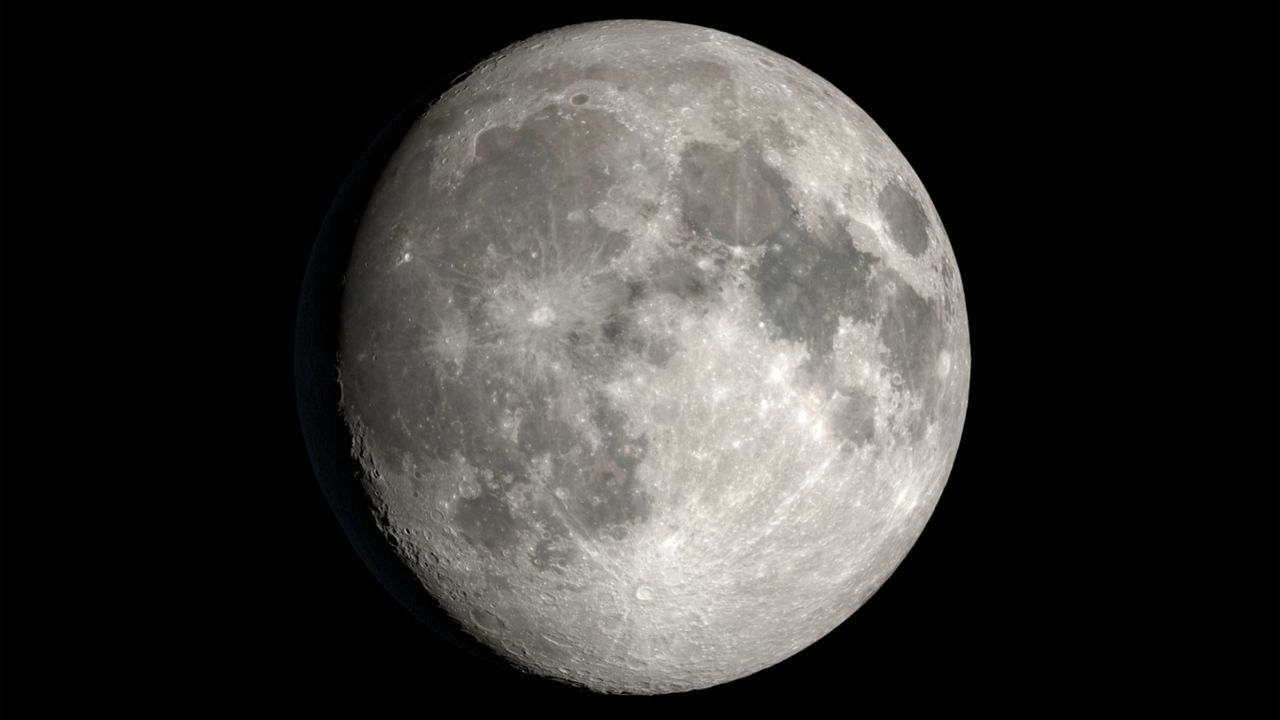
Mark your calendars, astronomy enthusiasts! International Observe the Moon Night (InOMN) is returning on October 4, 2025, offering a fantastic opportunity to connect with our nearest celestial neighbor. Whether you're a seasoned stargazer or a curious beginner, InOMN is the perfect time to grab your telescope, binoculars, or even just your eyes, and explore the lunar landscape. This year, we're highlighting four fascinating features easily visible from Earth that will make your moonwatching experience unforgettable.
First on our list is the majestic **Sea of Tranquility (Mare Tranquillitatis)**. This large, dark basaltic plain is instantly recognizable and holds a special place in history as the landing site of Apollo 11. Imagine looking at the very spot where Neil Armstrong and Buzz Aldrin first set foot on the Moon! The smooth, dark surface contrasts sharply with the brighter highlands surrounding it, making it easy to locate even with the naked eye.
Next, turn your gaze towards the prominent **Copernicus crater**. This impact crater, with its well-defined rim and bright rays of ejecta spreading across the lunar surface, is a stunning sight through a telescope. Its intricate details provide valuable insights into the Moon's geological history and the forces that have shaped it over billions of years. Look closely and you might even spot smaller craters within Copernicus itself.
For those seeking a challenge, the **Lunar Alps (Montes Alpes)** offer a mountainous region to explore. This range, stretching over 280 kilometers, features jagged peaks and deep valleys, reminiscent of their terrestrial counterparts. Within the Alps lies the **Alpine Valley (Vallis Alpes)**, a dramatic canyon cutting through the mountains. Spotting this valley requires a bit more magnification, but the reward is a breathtaking view of lunar geology.
Finally, don't miss the chance to observe **Tycho crater**, located in the southern highlands. Similar to Copernicus, Tycho boasts a prominent ray system, but its rays are even more extensive and brighter, particularly when the Moon is near full. The stark contrast of these rays against the darker surface makes Tycho a captivating feature to observe and a testament to the power of impacts in shaping the lunar landscape.
International Observe the Moon Night is more than just looking at the Moon; it's about celebrating lunar science, fostering a
Mark your calendars, astronomy enthusiasts! International Observe the Moon Night (InOMN) is returning on October 4, 2025, offering a fantastic opportunity to connect with our nearest celestial neighbor. Whether you're a seasoned stargazer or a curious beginner, InOMN is the perfect time to grab your telescope, binoculars, or even just your eyes, and explore the lunar landscape. This year, we're highlighting four fascinating features easily visible from Earth that will make your moonwatching experience unforgettable.
First on our list is the majestic **Sea of Tranquility (Mare Tranquillitatis)**. This large, dark basaltic plain is instantly recognizable and holds a special place in history as the landing site of Apollo 11. Imagine looking at the very spot where Neil Armstrong and Buzz Aldrin first set foot on the Moon! The smooth, dark surface contrasts sharply with the brighter highlands surrounding it, making it easy to locate even with the naked eye.
Next, turn your gaze towards the prominent **Copernicus crater**. This impact crater, with its well-defined rim and bright rays of ejecta spreading across the lunar surface, is a stunning sight through a telescope. Its intricate details provide valuable insights into the Moon's geological history and the forces that have shaped it over billions of years. Look closely and you might even spot smaller craters within Copernicus itself.
For those seeking a challenge, the **Lunar Alps (Montes Alpes)** offer a mountainous region to explore. This range, stretching over 280 kilometers, features jagged peaks and deep valleys, reminiscent of their terrestrial counterparts. Within the Alps lies the **Alpine Valley (Vallis Alpes)**, a dramatic canyon cutting through the mountains. Spotting this valley requires a bit more magnification, but the reward is a breathtaking view of lunar geology.
Finally, don't miss the chance to observe **Tycho crater**, located in the southern highlands. Similar to Copernicus, Tycho boasts a prominent ray system, but its rays are even more extensive and brighter, particularly when the Moon is near full. The stark contrast of these rays against the darker surface makes Tycho a captivating feature to observe and a testament to the power of impacts in shaping the lunar landscape.
International Observe the Moon Night is more than just looking at the Moon; it's about celebrating lunar science, fostering a
Category:
Technology