
News
November 05, 2025
‘Eye-opener’: White Rock senior turns focus to stroke awareness
Neil Mackie says he ignored vision changes for three months
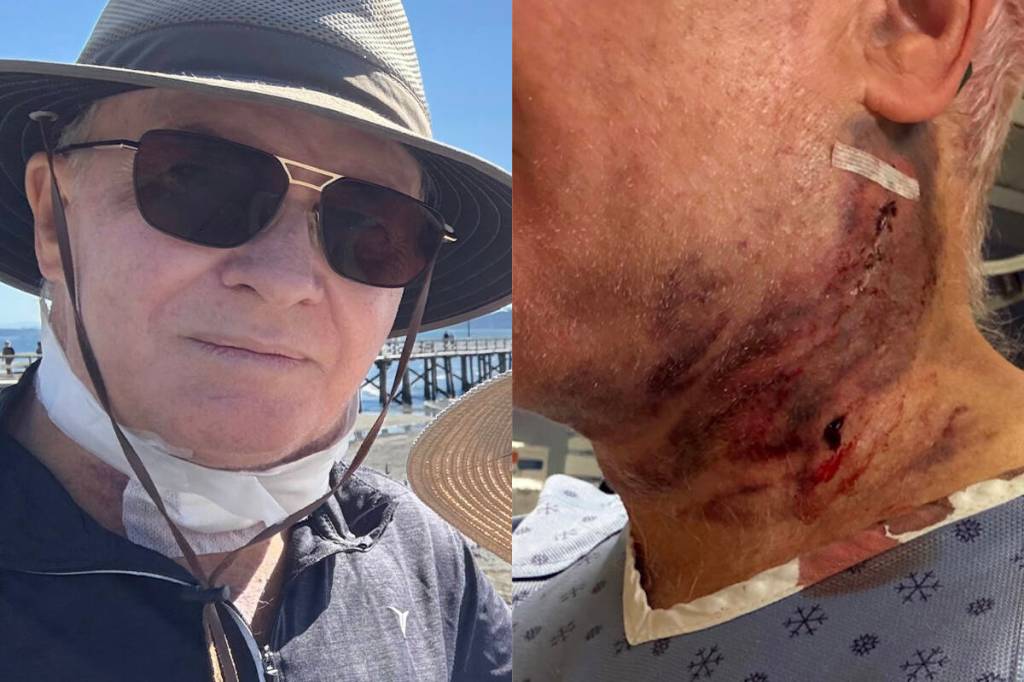
White Rock resident Neil Mackie is sharing his story in hopes of turning his personal experience into a public service, advocating for greater stroke awareness after a delayed diagnosis significantly impacted his recovery. Mackie, a senior residing in the coastal community, admits he dismissed subtle changes in his vision for a worrying three months before finally seeking medical attention. He now describes the experience as a stark "eye-opener," emphasizing the importance of recognizing stroke symptoms early.
Mackie's initial symptoms, he explains, weren't the classic signs often associated with stroke, such as sudden paralysis or slurred speech. Instead, he noticed a gradual blurring and distortion in his vision. Attributing it to age or perhaps needing a new prescription for his glasses, he put off seeing a doctor. This delay, unfortunately, proved costly.
"I just kept thinking it would go away," Mackie confesses. "I didn't realize those vision changes were a serious warning sign."
When he finally sought medical help, doctors confirmed he had suffered a stroke affecting the visual cortex, the part of the brain responsible for processing sight. While he is receiving treatment and undergoing rehabilitation, Mackie acknowledges that the three-month delay significantly hampered his potential for a fuller recovery.
Now, Mackie is determined to use his experience to educate others about the less-known symptoms of stroke. He's working with local healthcare organizations and community groups to raise awareness, particularly among seniors, who are at a higher risk. He hopes to highlight the importance of acting quickly when any unusual changes occur, even if they seem minor.
"Time is brain," Mackie emphasizes, repeating a phrase often used by stroke specialists. "The sooner you get treatment, the better your chances of recovery. Don't ignore those little warning signs, no matter how insignificant they might seem."
Mackie's message is a powerful reminder that stroke doesn't always present with obvious symptoms. His commitment to raising awareness could potentially save lives and improve outcomes for others in the community and beyond. He urges everyone to learn the signs of stroke, including sudden vision changes, and to seek immediate medical attention if they experience any concerning symptoms.
Mackie's initial symptoms, he explains, weren't the classic signs often associated with stroke, such as sudden paralysis or slurred speech. Instead, he noticed a gradual blurring and distortion in his vision. Attributing it to age or perhaps needing a new prescription for his glasses, he put off seeing a doctor. This delay, unfortunately, proved costly.
"I just kept thinking it would go away," Mackie confesses. "I didn't realize those vision changes were a serious warning sign."
When he finally sought medical help, doctors confirmed he had suffered a stroke affecting the visual cortex, the part of the brain responsible for processing sight. While he is receiving treatment and undergoing rehabilitation, Mackie acknowledges that the three-month delay significantly hampered his potential for a fuller recovery.
Now, Mackie is determined to use his experience to educate others about the less-known symptoms of stroke. He's working with local healthcare organizations and community groups to raise awareness, particularly among seniors, who are at a higher risk. He hopes to highlight the importance of acting quickly when any unusual changes occur, even if they seem minor.
"Time is brain," Mackie emphasizes, repeating a phrase often used by stroke specialists. "The sooner you get treatment, the better your chances of recovery. Don't ignore those little warning signs, no matter how insignificant they might seem."
Mackie's message is a powerful reminder that stroke doesn't always present with obvious symptoms. His commitment to raising awareness could potentially save lives and improve outcomes for others in the community and beyond. He urges everyone to learn the signs of stroke, including sudden vision changes, and to seek immediate medical attention if they experience any concerning symptoms.
Category:
Politics