
News
November 30, 2025
COP30, profit over people, and growing climate threats
The United Nations Climate Change Conference, known as COP, held its 30th session in Brazil. It was quite lengthy and expensive, yet at the end of it, the central problem remained: the much-needed transition away from fossil fuels still seems unachievable.
**Brazil COP30 Concludes with Fossil Fuel Transition Still a Distant Dream**
The 30th United Nations Climate Change Conference, COP30, recently wrapped up in Brazil after a lengthy and costly gathering of world leaders, policymakers, and environmental advocates. While the event aimed to accelerate global climate action, the central challenge of transitioning away from fossil fuels continues to loom large, casting a shadow over the conference's overall success.
COP30, like its predecessors, served as a platform for nations to discuss and negotiate strategies to combat climate change. This year's session focused heavily on the urgent need to reduce greenhouse gas emissions and limit global warming to well below 2 degrees Celsius, as outlined in the Paris Agreement. Discussions centered on renewable energy adoption, carbon capture technologies, and financing mechanisms to support developing nations in their climate efforts.
However, despite the extensive discussions and commitments made, a concrete and universally agreed-upon roadmap for phasing out fossil fuels remains elusive. The conference highlighted the persistent tension between economic interests and environmental imperatives. Many observers expressed concerns that the pursuit of profit by powerful industries and nations continues to outweigh the urgent need for decisive action to protect vulnerable populations and ecosystems.
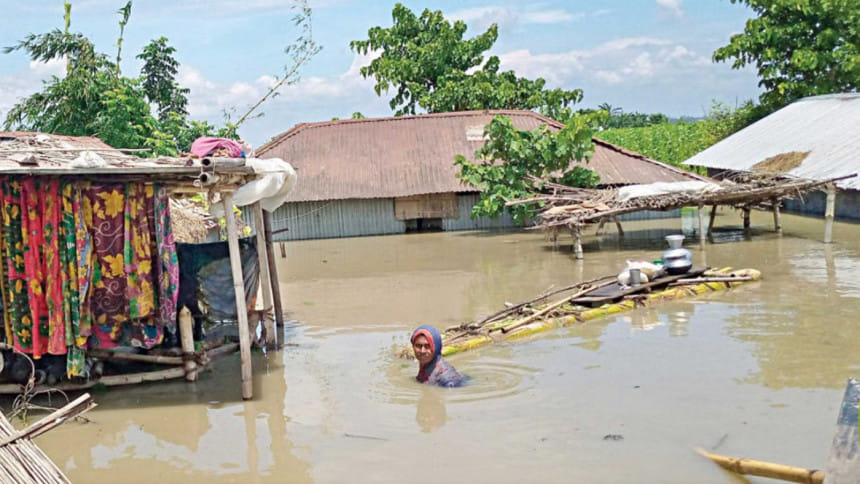
The lack of significant progress on fossil fuel transition is particularly alarming in light of the escalating climate threats facing the world. Increasingly frequent and intense extreme weather events, rising sea levels, and disruptions to agricultural systems are already impacting communities worldwide, particularly in developing countries. Scientists warn that these impacts will only worsen if drastic emissions reductions are not achieved soon.
The outcome of COP30 underscores the complex political and economic challenges involved in tackling climate change. While some progress was made in areas such as climate finance and adaptation measures, the failure to reach a breakthrough on fossil fuels raises serious questions about the global community's ability to meet its climate goals. The conference serves as a stark reminder that moving beyond rhetoric and towards tangible action is crucial to avert the worst impacts of climate change and ensure a sustainable future for all. The pressure is now on for nations to translate their commitments into concrete policies and investments that prioritize people and the planet over short-term economic gains.
The 30th United Nations Climate Change Conference, COP30, recently wrapped up in Brazil after a lengthy and costly gathering of world leaders, policymakers, and environmental advocates. While the event aimed to accelerate global climate action, the central challenge of transitioning away from fossil fuels continues to loom large, casting a shadow over the conference's overall success.
COP30, like its predecessors, served as a platform for nations to discuss and negotiate strategies to combat climate change. This year's session focused heavily on the urgent need to reduce greenhouse gas emissions and limit global warming to well below 2 degrees Celsius, as outlined in the Paris Agreement. Discussions centered on renewable energy adoption, carbon capture technologies, and financing mechanisms to support developing nations in their climate efforts.
However, despite the extensive discussions and commitments made, a concrete and universally agreed-upon roadmap for phasing out fossil fuels remains elusive. The conference highlighted the persistent tension between economic interests and environmental imperatives. Many observers expressed concerns that the pursuit of profit by powerful industries and nations continues to outweigh the urgent need for decisive action to protect vulnerable populations and ecosystems.
The lack of significant progress on fossil fuel transition is particularly alarming in light of the escalating climate threats facing the world. Increasingly frequent and intense extreme weather events, rising sea levels, and disruptions to agricultural systems are already impacting communities worldwide, particularly in developing countries. Scientists warn that these impacts will only worsen if drastic emissions reductions are not achieved soon.
The outcome of COP30 underscores the complex political and economic challenges involved in tackling climate change. While some progress was made in areas such as climate finance and adaptation measures, the failure to reach a breakthrough on fossil fuels raises serious questions about the global community's ability to meet its climate goals. The conference serves as a stark reminder that moving beyond rhetoric and towards tangible action is crucial to avert the worst impacts of climate change and ensure a sustainable future for all. The pressure is now on for nations to translate their commitments into concrete policies and investments that prioritize people and the planet over short-term economic gains.
Category:
Politics