
News
November 21, 2025
Advocacy groups urge parents to avoid AI toys this holiday season
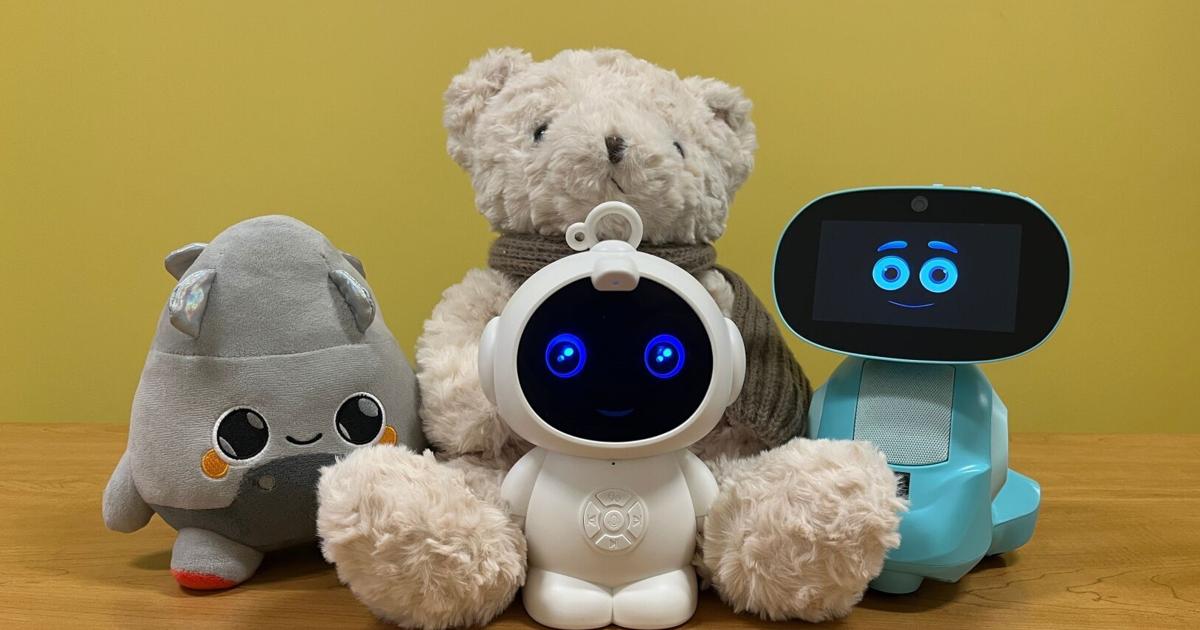
These toys, marketed to kids as young as 2, are often powered by AI models like OpenAI’s ChatGPT, which have been shown to harm children and teenagers.
**Advocacy groups are warning parents to steer clear of artificial intelligence (AI) toys this holiday season, citing potential risks to children's well-being. Concerns are mounting over the use of AI technologies like OpenAI's ChatGPT in toys designed for even the youngest children, some as young as two years old.**
Several consumer protection and child advocacy organizations have joined forces to raise awareness about the potential harms associated with these interactive playthings. They argue that while the toys might seem innovative and educational, the underlying AI technology could have unintended and detrimental effects on children and teenagers.
The primary concern revolves around the data collection practices of these AI-powered toys. Many of them record and analyze children's voices, conversations, and play patterns. This data, often stored in the cloud, raises serious privacy questions. Advocates worry about the potential for misuse or breaches, exposing sensitive information about children to unauthorized parties.
Beyond privacy, the groups also express concern about the quality and reliability of the AI itself. Models like ChatGPT, while impressive in their ability to generate text and respond to questions, are not infallible. They can sometimes provide inaccurate, biased, or even inappropriate responses. Children, who are particularly impressionable, may not be able to distinguish between fact and fiction, potentially leading to confusion or the adoption of harmful beliefs.
Furthermore, the constant interaction with AI-powered toys could hinder the development of crucial social and emotional skills. Critics argue that children may become overly reliant on these digital companions, neglecting real-world interactions with peers and family members. This could lead to difficulties in forming genuine relationships and developing empathy.
The advocacy groups are urging parents to carefully consider the potential risks before purchasing AI toys this holiday season. They recommend opting for traditional toys that encourage creativity, imagination, and social interaction. They are also calling on toy manufacturers to prioritize children's safety and well-being by implementing stricter data protection measures and ensuring the accuracy and appropriateness of the AI models used in their products. The message is clear: prioritize your child's well-being over the allure of cutting-edge technology this holiday season.
Several consumer protection and child advocacy organizations have joined forces to raise awareness about the potential harms associated with these interactive playthings. They argue that while the toys might seem innovative and educational, the underlying AI technology could have unintended and detrimental effects on children and teenagers.
The primary concern revolves around the data collection practices of these AI-powered toys. Many of them record and analyze children's voices, conversations, and play patterns. This data, often stored in the cloud, raises serious privacy questions. Advocates worry about the potential for misuse or breaches, exposing sensitive information about children to unauthorized parties.
Beyond privacy, the groups also express concern about the quality and reliability of the AI itself. Models like ChatGPT, while impressive in their ability to generate text and respond to questions, are not infallible. They can sometimes provide inaccurate, biased, or even inappropriate responses. Children, who are particularly impressionable, may not be able to distinguish between fact and fiction, potentially leading to confusion or the adoption of harmful beliefs.
Furthermore, the constant interaction with AI-powered toys could hinder the development of crucial social and emotional skills. Critics argue that children may become overly reliant on these digital companions, neglecting real-world interactions with peers and family members. This could lead to difficulties in forming genuine relationships and developing empathy.
The advocacy groups are urging parents to carefully consider the potential risks before purchasing AI toys this holiday season. They recommend opting for traditional toys that encourage creativity, imagination, and social interaction. They are also calling on toy manufacturers to prioritize children's safety and well-being by implementing stricter data protection measures and ensuring the accuracy and appropriateness of the AI models used in their products. The message is clear: prioritize your child's well-being over the allure of cutting-edge technology this holiday season.
Category:
Entertainment